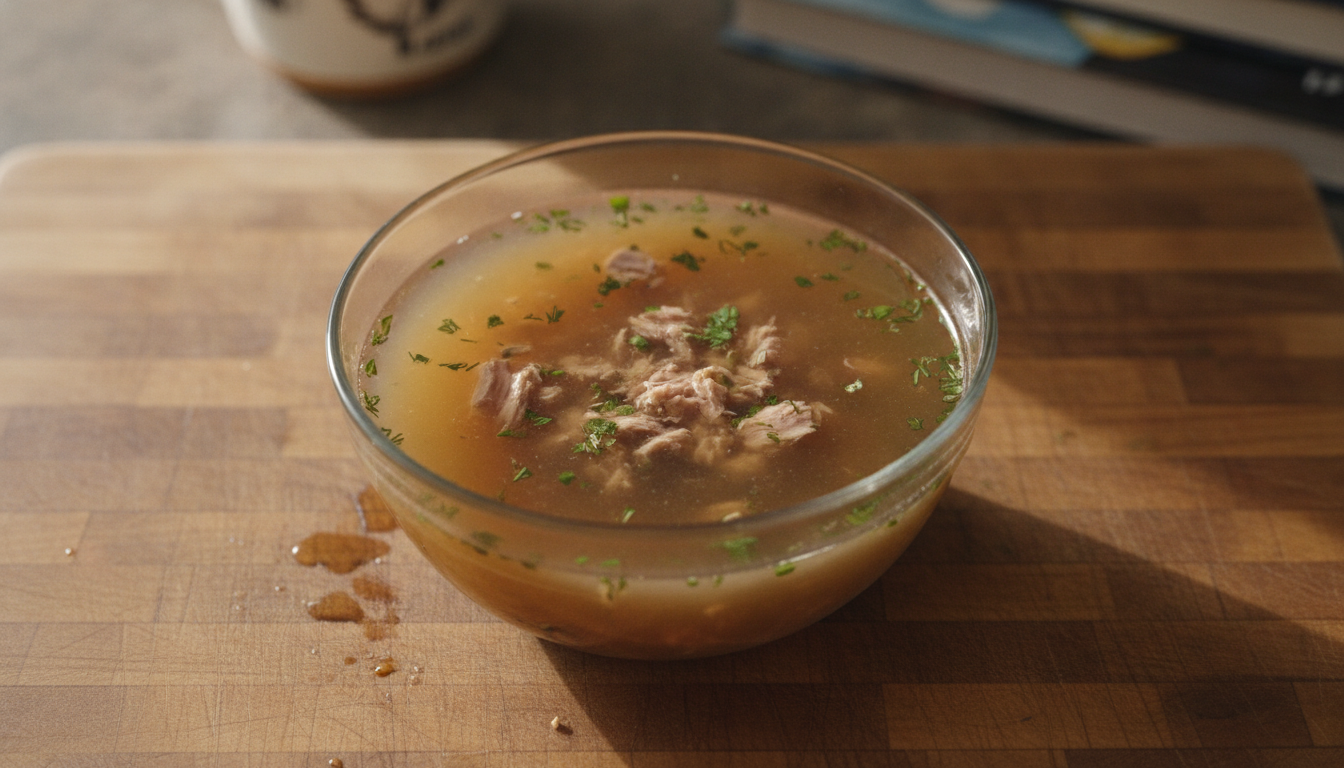

Cats are notorious for their selective drinking habits, often resulting in them not getting enough hydration. Enter the Tuna Hydration Broth, a simple yet effective way to entice your cat to consume more moisture. This recipe is designed to sprinkle a little extra hydration into your cat’s daily routine, without replacing the need for fresh water. Perfect for adding to their regular meals, this broth is a delightful treat that most cats will lap up eagerly.
Why This Recipe Works
Hydration is crucial for cats, particularly because their natural diet in the wild consists primarily of prey with high moisture content. Domestic cats, however, often consume dry kibble, which lacks the same level of hydration. The Tuna Hydration Broth offers a tasty solution by enhancing the moisture content of their meals without overwhelming their diet with unnecessary ingredients.
Ingredient Highlights
- Tuna: A favorite among many cats, tuna provides an irresistible flavor that can encourage even the pickiest eaters. It’s packed with protein and essential fatty acids, but should be used sparingly due to its mercury content.
- Water: The primary goal of this broth is to boost hydration. Warm water helps release the tuna’s aroma, making it more enticing for your cat.
- Tuna Water: The reserved water from the tuna can (ensure it’s unsalted) adds a punch of flavor, enhancing the broth’s appeal without adding extra calories.
By combining these simple ingredients, you create a broth that is both hydrating and delicious, making it easier to ensure your cat stays well-hydrated.
What You'll Need
Ingredients
- ¼ cup warm water
- 1 tbsp tuna packed in water (ensure no added salt or harmful preservatives)
- 1 tsp tuna water from the can, if unsalted
Equipment
- Blender or small food processor
- Spoon for serving
Making this for your cat?
Save it in WellWhisker and get a serving size made for your pet.
Get StartedStep-by-Step Instructions
- Prepare the Ingredients: Open a can of tuna packed in water. Measure out 1 tablespoon of the tuna. Be sure to select a can without added salt to keep it safe for your pet.
- Reserve Tuna Water: Carefully pour out 1 teaspoon of the water from the tuna can. This water carries a strong tuna flavor, which will help make the broth more appealing to your cat.
- Blend the Mixture: In a blender or small food processor, combine the warm water, tuna, and reserved tuna water. Blend the ingredients just until they are mixed thoroughly. The resulting mixture should have a slightly chunky texture, with the tuna bits well-integrated into the liquid.
- Serve the Broth: Pour a spoonful of the broth over your cat's regular food. This will moisten the meal, making it more palatable and hydrating.
- Store the Leftovers: Place any remaining broth in a sealed container and refrigerate for up to two days. Stir well before using it again to ensure an even distribution of the tuna particles.
Freezing & Storage
While this broth is best served fresh, you can make a larger batch and freeze it in small portions if needed. Ice cube trays work well for this purpose. Simply pour the broth into the trays and freeze. Once frozen, transfer the cubes to a freezer-safe bag or container, where they can be stored for up to a month. Thaw a cube in the refrigerator overnight before serving.
Serving Guide
Portion Sizes
- Under 8 lbs: 1 teaspoon per meal
- 8-12 lbs: 2 teaspoons per meal
- 12+ lbs: 1 tablespoon per meal
Frequency
Serve this broth up to twice a day, either with morning and evening meals or as a special treat following playtime.
Best Time to Serve
Offer the Tuna Hydration Broth after an active play session or grooming time to encourage your cat to replenish lost fluids.
Safety Notes
- Tuna Consumption: Remember that tuna should be an occasional treat due to its mercury content. This broth should not be a daily staple.
- Allergy Alert: Always watch for any signs of allergies or intolerances when introducing new foods. Some cats may have fish allergies.
- Caloric Intake: Treats and additions like this broth should make up no more than 10% of your cat’s daily caloric intake.
- Supervision: Always supervise your pet when trying new food items.
- Introduce Gradually: Introduce any new treats gradually to monitor for allergies or adverse reactions.
Make It Easier / Harder
- Easier: For cats who are new to liquid additions, start with plain warm water mixed with a tiny bit of tuna water to acclimate them to the taste and texture.
- Harder: For a more engaging experience, pour the broth over a lick mat and freeze it. This will encourage your cat to spend more time licking, which can be calming.
Frequently Asked Questions
Is this broth safe for kittens?
Yes, but use even smaller amounts. Start with just a few drops to gauge their reaction.
Can I use this broth with dry food?
Absolutely! It can moisten dry kibble, making it more appealing and hydrating.
How can I tell if my cat is dehydrated?
Signs include lethargy, dry gums, or less frequent urination. However, consult your vet for a professional diagnosis if you suspect dehydration.
Can I substitute the tuna with another fish?
While tuna is a popular choice, you can use small amounts of salmon or sardines packed in water, ensuring they are unsalted.
Key Takeaways
- Tuna Hydration Broth is a simple way to boost your cat's moisture intake.
- Use tuna sparingly due to mercury content.
- Always ensure the broth is made from unsalted canned tuna.
- This recipe is a supplement, not a replacement for fresh water.
- Introduce any new treats gradually to monitor for allergies.
Save this recipe for later
Keep the recipes your cat loves in one place, find new ones every week, and import the ones you find anywhere else. WellWhisker sizes every serving for your pet.
Want more like this? see every homemade cat treat recipe in one place.
This post contains affiliate links. If you purchase through these links, we may earn a small commission at no extra cost to you. This helps us keep creating free recipes for pet parents everywhere.
Disclaimer
"This recipe is for supplemental feeding and enrichment only, not a meal replacement. Every pet is different. If your pet has food allergies, sensitivities, or health conditions, consult your veterinarian before introducing new foods. WellWhisker provides general wellness information and is not a substitute for professional veterinary advice."
Looking for more recipes like this? WellWhisker's Recipe Lab has a growing library of enrichment recipes tailored to your pet. Try it free at wellwhisker.app