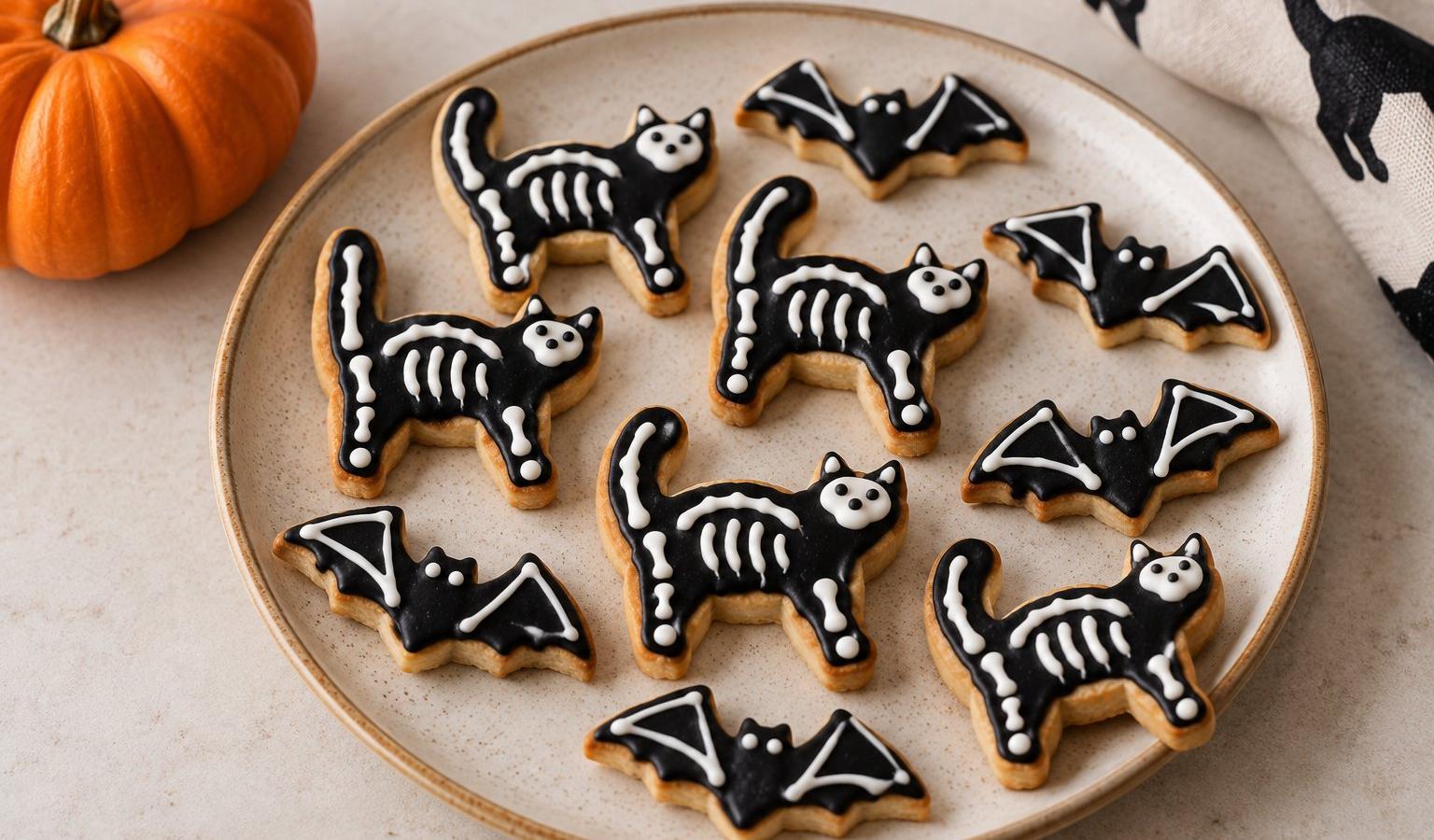

Looking for a fun and festive way to treat your cat? These Skeleton Cat Tuna Cookies are the purrfect spooky snack! Made with nutritious ingredients like tuna and oats, these cookies are not only a tasty delight but also a great way to engage your kitty's senses. With their skeleton designs, they're a charming addition to any Halloween or themed celebration, offering enrichment and excitement for your cat.
Why This Recipe Works
Cats are naturally curious and love exploring new textures and flavors. These Skeleton Cat Tuna Cookies provide an engaging way to stimulate your cat's senses. The irresistible aroma of tuna combined with the crunch of the baked cookie will captivate your cat's attention.
Tuna, the star ingredient, is a rich source of protein and omega-3 fatty acids, which support healthy skin and a shiny coat. While it's important to moderate tuna intake due to mercury content, occasional treats like these can be a delightful indulgence. Oat flour adds a gluten-free binding agent, making the cookies easy to digest. The gentle crunch of the baked cookies also helps promote oral health by reducing tartar buildup as your cat munches.
The decorative frosting, although optional, adds a playful touch. Using squid ink powder for the black frosting not only creates a striking contrast but also adds an extra layer of sensory intrigue. The white yogurt frosting provides a creamy texture that cats find appealing.
What You'll Need
Ingredients
For the Cookies:
- 140 g (5 oz) tuna in water, drained well, no added salt
- 1 pasteurized egg
- ¾ cup (about 75 g) oat flour, plus more if needed
Black Frosting:
- 3 tbsp plain, unsweetened Greek yogurt (ensure no artificial sweeteners)
- ⅛ tsp squid ink powder
- ½–1 tsp tapioca starch, as needed for thickness
White Frosting:
- 3 tbsp plain, unsweetened Greek yogurt (ensure no artificial sweeteners)
- ½–1 tsp tapioca starch, as needed for thickness
Equipment
- Baking sheet
- Parchment paper
- Blender or fork for mashing
- Rolling pin
- Small [cat shaped cookie cutter] (https://www.amazon.com/dp/B0D2MWRM64/?tag=wellwhisker-20)
- Piping bag or small plastic bag for frosting (optional)
Making this for your cat?
Save it in WellWhisker and get a serving size made for your pet.
Get StartedStep-by-Step Instructions
- Preheat and Prepare: Set your oven to 325°F (165°C). Line a baking sheet with parchment paper to prevent sticking.
- Mix Base Ingredients: Blend or mash the drained tuna and pasteurized egg until smooth. Gradually incorporate the oat flour, stirring until a soft, rollable dough forms. If the dough is sticky, add more oat flour a little at a time.
- Shape the Cookies: Roll the dough between two sheets of parchment paper to about ¼ inch (6 mm) thick. Use the cat-shaped cookie cutter to cut out shapes and carefully transfer them to the prepared baking sheet.
- Bake to Perfection: Bake the cookies for 18–22 minutes. Flip them over and bake for an additional 5–10 minutes, until the edges are firm and the cookies are dry.
- Cool Completely: Allow the cookies to cool completely on a wire rack before decorating.
- Prepare the Frosting: For the black frosting, mix Greek yogurt with squid ink powder. Gradually add tapioca starch until the mixture is thick enough to pipe. For white frosting, simply mix yogurt with enough tapioca starch to achieve the desired consistency.
- Decorate: Spread a thin layer of black frosting on each cookie. Use the white frosting to pipe a skeleton design, including a spine, ribs, legs, and a small skull face.
Freezing & Storage
Decorated cookies should be refrigerated and consumed within 2–3 days due to the yogurt frosting. If you'd like to prepare the cookies in advance, freeze the undecorated tuna cookies and frost them after thawing for best results.
Serving Guide
- Under 8 lbs: Offer 1 small cookie occasionally.
- 8-12 lbs: Serve 1-2 small cookies occasionally.
- 12+ lbs: Up to 3 small cookies occasionally.
These treats are ideal for special occasions, after playtime, or as a reward for good behavior. Remember, treats should not exceed 10% of your cat's daily calorie intake.
Safety Notes
- Tuna: Be mindful of mercury content and serve in moderation.
- Dairy: If your cat is lactose intolerant, skip the yogurt frosting.
- Supervision: Always supervise your cat when trying new treats.
- Allergies: Introduce ingredients one at a time to monitor for any adverse reactions.
- Eggs: Use pasteurized eggs to reduce the risk of salmonella, especially for immunocompromised cats.
- Artificial Sweeteners: Ensure Greek yogurt is free from xylitol and other artificial sweeteners.
Make It Easier / Harder
- Easier: Skip the frosting and serve the cookies plain for a simpler treat.
- Harder: For advanced enrichment, hide a small piece of kibble inside each dough ball before baking for a surprise center.
Frequently Asked Questions
How can I make the dough less sticky?
If your dough is too sticky, gradually add more oat flour until you achieve a workable consistency.
Can I use a different shape for the cookies?
Absolutely! Feel free to use any small cookie cutter shape you like.
What if my cat doesn’t like the yogurt frosting?
If your cat isn’t a fan of the yogurt frosting, you can serve the cookies plain. The tuna flavor is usually enticing enough on its own.
Key Takeaways
- Tuna provides protein and omega-3s for healthy skin and coat.
- Oat flour offers a gentle, gluten-free base for easy digestion.
- Frosting adds a festive element but is optional for cats with dairy sensitivities.
- Moderation is key due to the mercury content in tuna.
- These treats are meant to complement a balanced diet.
Save this recipe for later
Keep the recipes your cat loves in one place, find new ones every week, and import the ones you find anywhere else. WellWhisker sizes every serving for your pet.
Want more like this? Browse all our baked cat treats, or see every homemade cat treat recipe in one place.
This post contains affiliate links. If you purchase through these links, we may earn a small commission at no extra cost to you. This helps us keep creating free recipes for pet parents everywhere.
Disclaimer
"This recipe is for supplemental feeding and enrichment only, not a meal replacement. Every pet is different. If your pet has food allergies, sensitivities, or health conditions, consult your veterinarian before introducing new foods. WellWhisker provides general wellness information and is not a substitute for professional veterinary advice."
Looking for more recipes like this? WellWhisker's Recipe Lab has a growing library of enrichment recipes tailored to your pet. Try it free at wellwhisker.app