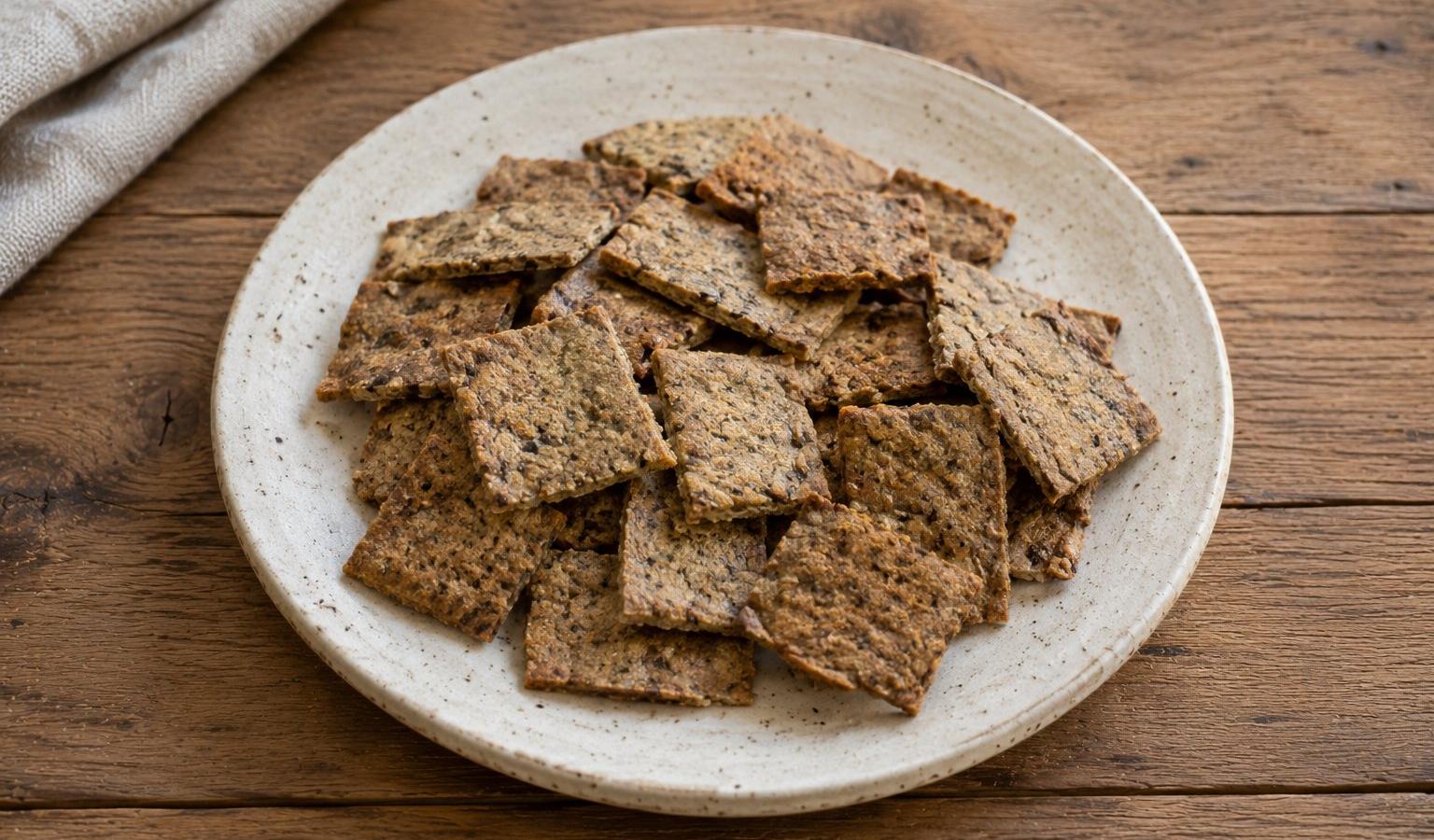

Crispy Sardine Crackers are the perfect crunchy, high-protein baked treats that your cat will love. These delightful snacks are easy to make, using just a handful of simple, cat-safe ingredients. Perfect for cats who enjoy a bit of crunch and a burst of fishy flavor, these crackers are sure to be a hit. Whether you’re introducing a fun new treat or looking for a way to engage your cat with some enrichment activities, these crackers are an excellent choice.
Why This Recipe Works
Cats are obligate carnivores, meaning their diet is primarily composed of meat. Sardines are a fantastic protein source, rich in omega-3 fatty acids that support skin, coat, and overall health. In this recipe, sardines provide the primary flavor and nutritional punch. The addition of egg not only helps bind the ingredients together but also adds extra protein and essential nutrients like vitamins A, D, and E.
The optional ingredients, like freeze-dried salmon or chicken powder, introduce additional flavors that can make these crackers irresistible. Parsley is included for a touch of color and its fresh aroma, but it also adds a small dose of antioxidants. The thin, crispy texture of these crackers satisfies your cat's natural urge to chew, providing not just a tasty treat but also a form of dental enrichment.
What You'll Need
Ingredients
- 1 can (3.75 oz / 106 g) sardines in water, drained
- 1 large egg
- 2 tbsp oat flour (or chickpea flour)
- 1 tbsp freeze-dried salmon or chicken powder (optional, for extra flavor)
- 1 tsp finely chopped parsley (optional, for color, use sparingly)
- Choose sardines packed in water with no added salt, if available.
Equipment
- Blender or food processor
- Baking tray
- Parchment paper
- Pizza cutter or sharp knife
Making this for your cat?
Save it in WellWhisker and get a serving size made for your pet.
Get StartedStep-by-Step Instructions
- Preheat and Prep: Start by preheating your oven to 300°F (150°C). This low temperature is perfect for slowly drying out the crackers without burning them.
- Prepare Sardines: Drain the sardines and pat them dry with paper towels to remove any excess moisture. This step is crucial to ensure the crackers become crispy.
- Blend Ingredients: In a blender or food processor, combine the sardines and egg. Blend until the mixture is mostly smooth. Stir in the oat flour and the optional freeze-dried meat powder. The mixture should resemble a thick spread. If it's too runny, add a teaspoon of oat flour at a time until the right consistency is achieved.
- Spread and Score: Line a baking tray with parchment paper. Spread the sardine mixture into a very thin rectangle, about ⅛ inch (3 mm) thick. Use a pizza cutter or sharp knife to score the surface into small squares, rectangles, or even fish shapes. Don't cut all the way through, as this will help the crackers stay together while baking.
- First Bake: Place the baking tray in the oven and bake for 25 minutes. This initial bake helps to set the mixture.
- Flip and Finish: Remove the tray from the oven, gently separate the crackers along the score lines, and flip them over. Return them to the tray and bake for another 10–20 minutes, until they are dry and crisp.
- Final Drying: Turn off the oven and leave the crackers inside with the door slightly open for an additional 30 minutes. This step ensures the crackers are thoroughly dried, enhancing their crunchiness.
- Cool Completely: Allow the crackers to cool completely before serving them to your cat.
Freezing & Storage
- Airtight Container: Store the crackers in an airtight container at room temperature for up to 5–7 days.
- Refrigerator: Keep them in the refrigerator for up to 2 weeks.
- Freezer: For longer storage, freeze the crackers for up to 3 months. Be sure to let them thaw at room temperature before serving.
Serving Guide
- Portion Sizes:
- Cats under 8 lbs: 1 cracker per day
- Cats 8-12 lbs: 1-2 crackers per day
- Cats 12+ lbs: 2-3 crackers per day
- Frequency: These treats are best given occasionally, not exceeding more than 10% of your cat’s daily caloric intake.
- Best Time: Serve after a play session, as a reward, or during grooming time to make these moments more enjoyable.
Safety Notes
- Ingredient Warnings: Ensure sardines are packed in water without added salt. Use parsley sparingly.
- Allergy Alerts: This recipe contains egg. Introduce new ingredients one at a time to monitor for any adverse reactions.
- Supervision: Always supervise your pet when introducing new treats and enrichment toys.
- Xylitol Warning: If using peanut butter in variations, ensure it is free of xylitol.
Make It Easier / Harder
- For Beginners: Simply mix all ingredients together and spread onto the tray without scoring. This makes the process quicker and easier for first-timers.
- For Advanced Challenges: Add small pieces of kibble into the mixture before baking to introduce a different texture and added interest for your cat.
Frequently Asked Questions
How can I make these crackers more appealing to my picky eater?
Try adding the optional freeze-dried salmon or chicken powder for extra flavor. You can also experiment with different shapes to make the treats visually enticing.
Can I use a different flour if I don't have oat flour?
Yes, chickpea flour is a great alternative. It is safe for cats and offers a similar binding quality.
How do I know if the crackers are dry enough?
The crackers should be crisp to the touch and make a 'snap' sound when broken. If they feel soft, allow them to dry longer with the oven door slightly open.
What’s the benefit of using parsley in the recipe?
Parsley adds a touch of color and a fresh aroma, which can be appealing to some cats. It also contains antioxidants, although it's added in a very small amount.
Key Takeaways
- Sardines provide high protein and omega-3 fatty acids.
- Egg acts as a binder and adds nutrients.
- Baking at low temperatures ensures a crispy texture.
- Storage options include room temperature, refrigeration, and freezing.
- Always introduce new foods gradually and monitor for reactions.
Save this recipe for later
Keep the recipes your cat loves in one place, find new ones every week, and import the ones you find anywhere else. WellWhisker sizes every serving for your pet.
Want more like this? Browse all our baked cat treats, or see every homemade cat treat recipe in one place.
This post contains affiliate links. If you purchase through these links, we may earn a small commission at no extra cost to you. This helps us keep creating free recipes for pet parents everywhere.
Disclaimer
This recipe is for supplemental feeding and enrichment only, not a meal replacement. Every pet is different. If your pet has food allergies, sensitivities, or health conditions, consult your veterinarian before introducing new foods. WellWhisker provides general wellness information and is not a substitute for professional veterinary advice.
Looking for more recipes like this? WellWhisker's Recipe Lab has a growing library of enrichment recipes tailored to your pet. Try it free at wellwhisker.app