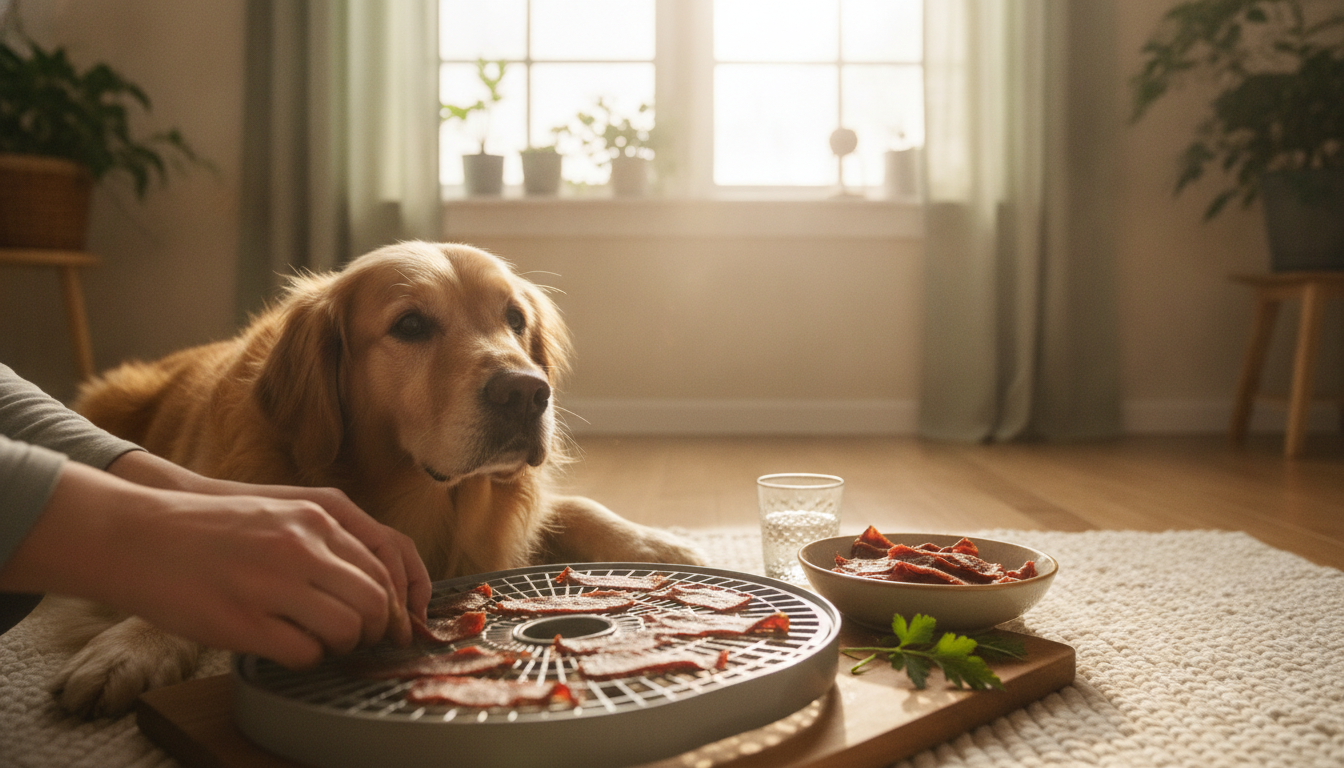

Making beef jerky for dogs is a fantastic way to ensure your dog enjoys a healthy, tasty treat. Many dog owners prefer homemade jerky because it allows complete control over the ingredients, ensuring no harmful additives or preservatives. In this article, we'll guide you through the process of making beef jerky for your dog, from selecting the right cut of meat to storing it safely.
Why Make Beef Jerky for Dogs?
Homemade beef jerky is not only a delicious treat for your dog, but it also has several benefits over store-bought options. Store-bought jerky often contains preservatives and artificial flavors that may not be ideal for your pet's health. By making it yourself, you can choose high-quality ingredients and avoid unnecessary additives.
Additionally, making your own beef jerky can be more cost-effective in the long run. Buying beef in bulk and preparing it at home can save money compared to purchasing pre-packaged treats. Plus, it's a rewarding process that allows you to cater to your dog's specific taste preferences and dietary needs.
Selecting the Right Cut of Beef
The first step in making beef jerky for your dog is selecting the right cut of beef. Lean cuts are best, as they have less fat, which can spoil more quickly. Some excellent options include:
- Top round: This cut is affordable and has a good balance of flavor and leanness.
- Bottom round: Similar to top round, it's a lean cut that's easy to work with.
- Sirloin tip: While slightly more expensive, this cut is tender and flavorful.
- Flank steak: A bit tougher, but still a great option for jerky.
Once you've chosen your cut, trim any visible fat to prevent spoilage and make slicing easier.
Preparing and Slicing the Beef
After you've selected and trimmed your beef, it's time to slice it. For the best results, slice the meat against the grain into thin strips, about 1/4 inch thick. This will make the jerky easier for your dog to chew and digest. If you're finding it challenging to slice the meat evenly, try partially freezing it first. This will firm up the texture and make it easier to handle.
Marinating the Beef
Marinating the beef is optional, but it can add extra flavor that your dog will love. Keep in mind that dogs have different taste preferences than humans, so avoid spices that might upset their stomachs. A simple marinade might include:
- Low-sodium beef broth: Adds flavor without too much salt.
- Apple cider vinegar: Aids digestion and enhances flavor.
- Garlic powder: Avoid using garlic, as it can be toxic to dogs even in small amounts.
- Coconut oil: Adds a touch of sweetness and benefits your dog's coat.
Marinate the beef strips in the refrigerator for at least 2-4 hours, or overnight for maximum flavor. Make sure to drain and pat dry the beef before drying to remove excess marinade.
Drying the Jerky
There are a few methods to dry your beef jerky, each with its own pros and cons. The most common methods are using a dehydrator, an oven, or an air fryer.
Dehydrator
A dehydrator is the most efficient method, as it's designed specifically for drying foods. Set the dehydrator to 160°F and arrange the beef strips in a single layer on the trays. Dry for 4-6 hours, checking periodically for doneness. The jerky should be firm and not brittle.
Oven
If you don't have a dehydrator, you can use an oven. Preheat the oven to 160°F and place the beef strips on a baking sheet lined with parchment paper or a wire rack. Use the convection setting if available. Dry the jerky for 4-8 hours, propping the oven door open slightly to allow moisture to escape.
Air Fryer
An air fryer can also be used, though it's less common. Set the air fryer to 160°F and arrange the strips in a single layer, drying in batches if needed. Check every hour for doneness, as air fryers can vary.
Storing Beef Jerky
Once the jerky is dry, allow it to cool completely before storing. Store the jerky in an airtight container or vacuum-sealed bag. It is safer to refrigerate or freeze the jerky to prevent spoilage.
When storing, it's crucial to monitor for any signs of spoilage, such as mold or an off smell. If in doubt, it's better to err on the side of caution and discard any questionable jerky.
Frequently Asked Questions
Can I use chicken or turkey instead of beef?
Yes, you can substitute beef with lean cuts of chicken or turkey. Follow the same preparation and drying steps for best results.
Is garlic safe for dogs?
Garlic can be toxic to dogs even in small amounts, so it is best to avoid it entirely.
How do I know when the jerky is done?
Properly dried jerky should be firm and chewy, not brittle. If it snaps easily, it may be too dry.
Can I add other flavors to the marinade?
Yes, but stick to dog-safe options like carrot juice or a small amount of honey. Avoid onions, excessive salt, and other ingredients toxic to dogs.
How much jerky can I give my dog?
Treats should make up no more than 10% of your dog's daily caloric intake. Adjust portion sizes based on your dog's size and activity level.
Key Takeaways
- Homemade beef jerky is a healthy, cost-effective treat option for dogs.
- Use lean cuts like top round or sirloin tip to prevent spoilage.
- Slice beef against the grain for easy chewing.
- Dry the jerky using a dehydrator, oven, or air fryer.
- Store the jerky properly and monitor for spoilage.
Sources
For those looking to make their pets' wellness a priority, WellWhisker offers a fantastic Recipe Lab feature, allowing you to create personalized homemade treats and enrichment recipes tailored to your dog's specific needs. Check it out at WellWhisker.
Make something for your dog
Easy homemade treat recipes, plus a simple way to save the ones you find online.
Get Started