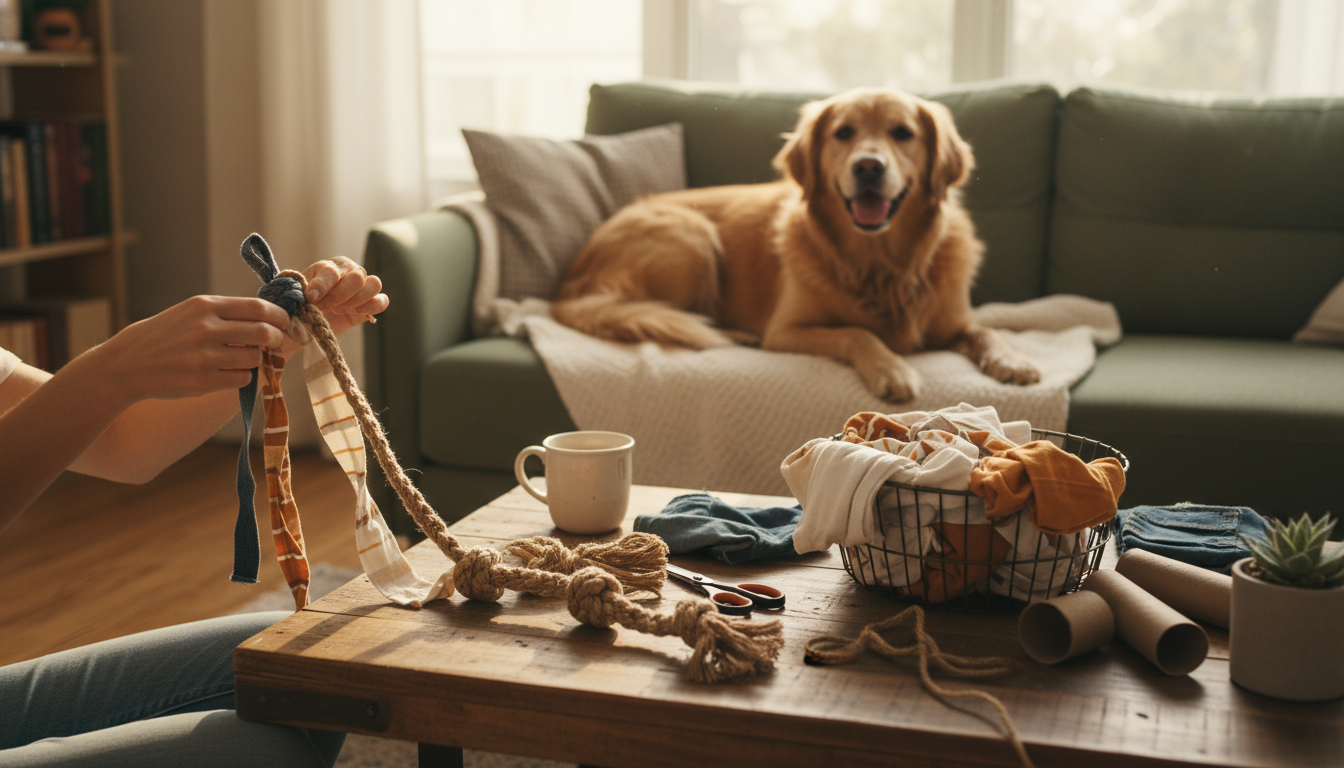

Creating a DIY dog toy with recycled materials is not only an eco-friendly option but also a fantastic way to engage your pet's curiosity and energy. By using items you were about to discard, you can craft unique toys that are personalized to your dog's preferences. This approach not only saves money but also helps reduce waste, making it a win-win situation for both you and the environment.
Why DIY Dog Toys?
Store-bought dog toys can be expensive, and not all materials are safe or durable. Many pet parents find themselves continuously purchasing new toys because their dogs quickly destroy them. By making your own toys, you can choose safe, non-toxic materials and create something that can withstand your dog's play style. Plus, DIY toys can be crafted to challenge your dog's mind, keeping them entertained and helping reduce behavioral issues stemming from boredom.
Moreover, the process of creating a toy can be a fun bonding activity for families, allowing you to teach kids about sustainability and creativity. Crafting a toy from recycled materials like old t-shirts, empty plastic bottles, or socks becomes an educational opportunity, demonstrating the potential of reusing materials that would otherwise contribute to landfill waste.
Materials You Can Use
Old T-Shirts
Old t-shirts are a goldmine for DIY dog toys. They're generally durable and easy to clean, but ensure they are free from any harmful chemicals or dyes. You can cut them into strips and braid them into a rope toy or tie them around a tennis ball for an interesting texture. The varying colors and textures from different fabrics add an extra layer of intrigue for your pet.
Plastic Bottles
Plastic bottles can be transformed into noise-making toys, but ensure they are sturdy and not easily breakable to prevent ingestion of sharp pieces. Simply remove the cap and ring, then place the bottle inside a sock or a piece of fabric. The crunching sound will captivate your dog's attention, offering them a satisfying sensory experience. Just be sure to supervise playtime to prevent any accidental ingestion of plastic pieces.
Socks
Single socks that have lost their partners are perfect for creating tug toys or treat dispensers. Stuff one sock into another, tie a knot in the middle, and you have a simple tug toy. Alternatively, put a few treats inside before tying the knot for a surprise your dog will love unraveling.
Tennis Balls
Tennis balls are a perennial favorite for dogs, but they should be used with caution as the outer felt can be abrasive to a dog's teeth over time. You can cut a small slit in a tennis ball and fill it with treats to create a challenging puzzle toy. This not only engages your dog's mind but also promotes slower eating habits, which can be beneficial for digestion.
Towels
Old towels can be repurposed into tug toys. Cut them into strips and braid them together for a sturdy toy that's great for interactive play. Towels are absorbent, so they're also perfect for outdoor play, especially if your dog loves water.
How to Make a Simple DIY Dog Toy
Braided T-Shirt Rope Toy
- Materials Needed: Three old t-shirts, scissors.
- Instructions:
- Cut the t-shirts into long strips, about 2 inches wide.
- Gather the strips together and tie a knot at one end, leaving a few inches of loose fabric.
- Braid the strips tightly to the desired length.
- Tie another knot at the end to secure the braid.
- Trim any excess fabric.
This simple toy is durable and can be tossed, tugged, or chewed.
Bottle-in-Sock Toy
- Materials Needed: Empty plastic bottle, a single sock.
- Instructions:
- Remove the cap and plastic ring from the bottle.
- Place the bottle inside the sock.
- Knot the open end of the sock to keep the bottle secure.
This toy provides a satisfying crunch sound that many dogs find irresistible.
Safety Tips and Considerations
While DIY dog toys are fun and economical, safety should always be a priority. Here are some tips to ensure your homemade toys are safe for your pet:
- Supervise Play: Always supervise your dog when they're playing with a DIY toy, especially if it contains small parts like plastic bottles or fabric that can be chewed off, as these can pose choking hazards.
- Check for Wear and Tear: Regularly inspect toys for signs of wear and tear. Dispose of toys that are falling apart to prevent choking hazards.
- Avoid Toxic Materials: Be cautious about materials that could be toxic or harmful, such as those treated with chemicals or dyes, and avoid items like xylitol-containing products, grapes, raisins, onions, and garlic.
- Size Appropriately: Make sure the toy is the right size for your dog, as too small toys can be a choking hazard, while too large toys might not be as enjoyable for smaller dogs.
Benefits of Recycling
Recycling materials for DIY toys does more than just save money. It plays a significant role in reducing your carbon footprint and promoting a sustainable lifestyle. By reusing materials, you extend their lifecycle and reduce the demand for new resources, thereby conserving energy and reducing pollution from manufacturing processes.
Moreover, recycling fosters creativity and problem-solving. As you sift through potential materials, you're forced to think outside the box and find innovative ways to give old items new life. This creative process can be incredibly rewarding and can even inspire further sustainable practices in your household.
Frequently Asked Questions
What are the safest materials for DIY dog toys?
The safest materials are those that are non-toxic, durable, and appropriate for your dog's size and chewing habits. Old cotton t-shirts, socks, and towels are generally safe choices. Always supervise your dog with new toys to ensure they're used safely.
How often should I replace DIY dog toys?
You should replace DIY dog toys as soon as they show signs of wear and tear. Check toys regularly for loose threads, broken parts, or other potential hazards. It's better to be proactive in replacing toys than to risk your dog's safety.
Can DIY dog toys be cleaned?
Yes, many DIY dog toys can be cleaned. Fabric toys can often be machine washed, while others may need to be hand washed. Check the materials to determine the best cleaning method, and always dry toys thoroughly before giving them back to your dog.
Are DIY toys as effective as store-bought toys?
DIY toys can be just as effective, if not more so, than store-bought toys. They can be customized to your dog's preferences and needs, and they often provide the same level of engagement and enrichment. Plus, they're usually more cost-effective and sustainable.
How can I make a toy more challenging for my dog?
To make a toy more challenging, consider adding elements that require problem-solving, such as hiding treats inside the toy or creating a puzzle that needs to be solved to access a reward. This can stimulate your dog's mind and provide additional enrichment.
Key Takeaways
- DIY dog toys are cost-effective, sustainable, and customizable to your dog's needs.
- Safe materials include old t-shirts, socks, plastic bottles, tennis balls, and towels.
- Always supervise playtime and regularly check toys for wear and tear.
- Recycling materials for dog toys reduces waste and promotes sustainability.
- DIY toys can be made more challenging by incorporating puzzles or treat dispensers.
For more personalized pet wellness tips and DIY recipes tailored to your dog's needs, consider downloading WellWhisker. Our app offers a Recipe Lab for homemade treats, a Food Scanner for ingredient breakdowns, and more to keep your pet healthy and happy.
Make something for your dog
Easy homemade treat recipes, plus a simple way to save the ones you find online.
Get Started