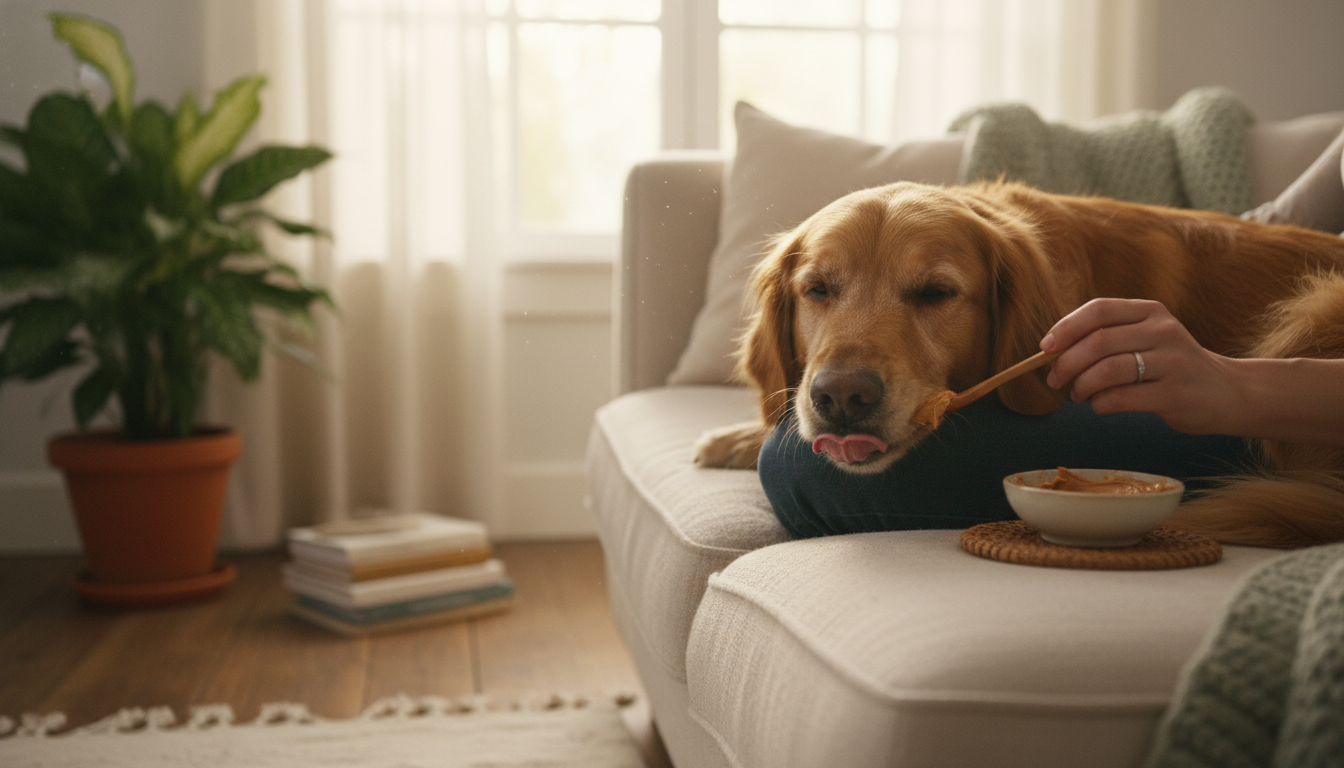
Can Dogs Eat Peanut Butter? Safe and Healthy Tips
Can dogs eat peanut butter? Yes, but ensure it's safe by avoiding xylitol. Discover safe types, benefits, and risks for your furry friend.
Yes, dogs can eat peanut butter, but it’s crucial to ensure it’s safe and healthy for them. Most dogs love peanut butter, and it can be a great treat or a way to hide medicine. However, some peanut butters contain xylitol, a sugar substitute toxic to dogs. Always check the ingredients before sharing this treat with your furry friend.
To help you navigate the sticky world of peanut butter for dogs, we’ll dig into the safe types, the potential health benefits, and the risks involved. We’ll also share tips on how to incorporate peanut butter into your dog's diet safely.
The Peanut Butter Appeal: Why Dogs Love It
Peanut butter is a popular treat among dogs for a few reasons. First, its rich, nutty flavor is appealing to many dogs. The texture also plays a role, as its stickiness can keep them occupied. This makes it an excellent tool for training or boredom-busting activities.
Another reason dogs love peanut butter is its smell. Peanut butter has a strong, distinct aroma that can capture a dog's attention, making it an enticing reward. Whether it’s given directly or used in interactive toys, peanut butter can be a great motivator.
If you’re using it as a treat, moderation is key. Too much can lead to weight gain or digestive issues. A teaspoon for small dogs or a tablespoon for larger breeds is usually sufficient.
Safe Peanut Butter Types for Dogs
Not all peanut butters are created equal. When selecting peanut butter for your dog, you should check the label carefully. The most important ingredient to avoid is xylitol, a sugar substitute that's extremely toxic to dogs. Even a small amount can cause hypoglycemia and liver failure.
Opt for natural or organic peanut butters that contain peanuts as the primary ingredient. Avoid those with added sugars, salt, or hydrogenated oils. Here's what to look for:
- Ingredients: Choose peanut butters with minimal ingredients—ideally just peanuts.
- No Xylitol: Absolutely avoid any brand with xylitol.
- Low Sodium: High sodium content is harmful to dogs, so opt for low-sodium options.
- No Added Sugars: Extra sugar isn’t necessary and can contribute to obesity.
Brands like Smucker's Natural or Teddie All Natural Peanut Butter are often recommended by dog owners and vets alike.
Health Benefits of Peanut Butter for Dogs
Peanut butter, when given in moderation, can offer some health benefits to dogs. It’s a source of protein, healthy fats, vitamins E and B, and niacin. Here’s a closer look at how these nutrients can benefit your dog:
- Protein: Essential for muscle building and repair.
- Healthy Fats: Provide energy and support skin and coat health.
- Vitamin E: Acts as an antioxidant, supporting a healthy immune system.
- Niacin (Vitamin B3): Supports energy metabolism and enzyme function.
While these nutrients are beneficial, they should be part of a balanced diet. Peanut butter should complement your dog's regular food, not replace it.
Potential Risks of Feeding Dogs Peanut Butter
Despite its benefits, peanut butter poses some risks if not given correctly. Overfeeding can lead to obesity, pancreatitis, or gastrointestinal upset. Here are some risks to be aware of:
- Xylitol Poisoning: As mentioned, xylitol is highly toxic and can be fatal.
- Obesity: High in calories and fat, too much peanut butter can lead to weight gain.
- Allergic Reactions: Though rare, some dogs may be allergic to peanuts, causing symptoms like itching, swelling, or vomiting.
- Choking Hazard: Always supervise your dog when they’re eating peanut butter, especially if it’s spread on a toy.
If your dog has never had peanut butter before, start with a small amount and monitor for any adverse reactions.
How to Safely Include Peanut Butter in Your Dog's Diet
Incorporating peanut butter into your dog’s diet can be done safely with the right approach. Here are some tips:
- Moderation: Treat peanut butter as an occasional treat, not a staple.
- Use as a Training Tool: Small amounts can be used as high-value rewards during training sessions.
- Enrichment Activities: Spread it inside a Kong toy or on a lick mat to keep your dog entertained.
- Pill Delivery: If your dog is picky about taking medication, peanut butter can hide the taste and make administration easier.
Ensure your dog’s diet remains balanced by keeping treats, including peanut butter, to no more than 10% of their daily caloric intake.
Frequently Asked Questions
Is peanut butter safe for all dogs?
Most dogs can safely enjoy peanut butter in moderation, provided it doesn’t contain xylitol. However, dogs with pancreatitis, diabetes, or peanut allergies should avoid it.
How much peanut butter can I give my dog?
Small breeds should have no more than a teaspoon per day, while larger breeds can have a tablespoon. Adjust based on your dog’s size and activity level.
Can puppies eat peanut butter?
Yes, puppies can have peanut butter, but in very small amounts. Ensure it’s xylitol-free and used sparingly, as their digestive systems are still developing.
What are symptoms of xylitol poisoning?
Symptoms include vomiting, loss of coordination, seizures, and lethargy. If you suspect xylitol poisoning, contact your vet immediately.
Can dogs eat peanut butter cookies?
Most peanut butter cookies contain sugar, salt, and possibly xylitol. It’s best to make homemade dog-safe peanut butter treats or find commercial ones specifically designed for dogs.
Key Takeaways
- Dogs can eat peanut butter if it’s xylitol-free and given in moderation.
- Check labels for hazardous ingredients like added sugars and salt.
- Peanut butter can be a source of healthy fats and protein but should supplement a balanced diet.
- Potential risks include obesity, allergic reactions, and xylitol poisoning.
- Use peanut butter for training, enrichment, or medication administration.
Sources
- ASPCA Animal Poison Control
- AKC - Dog Nutrition
- PetMD - Dog Nutrition
- VCA Animal Hospitals
- Merck Veterinary Manual
- Tufts Veterinary Nutrition
---
This article is for informational purposes only and is not a substitute for professional veterinary advice, diagnosis, or treatment. Always consult your veterinarian before making changes to your pet's diet or health routine. WellWhisker does not provide veterinary medical advice.
Try WellWhisker
Homemade treat recipes, ingredient scanner, and wellness tools, personalized for your pet.
Get Started