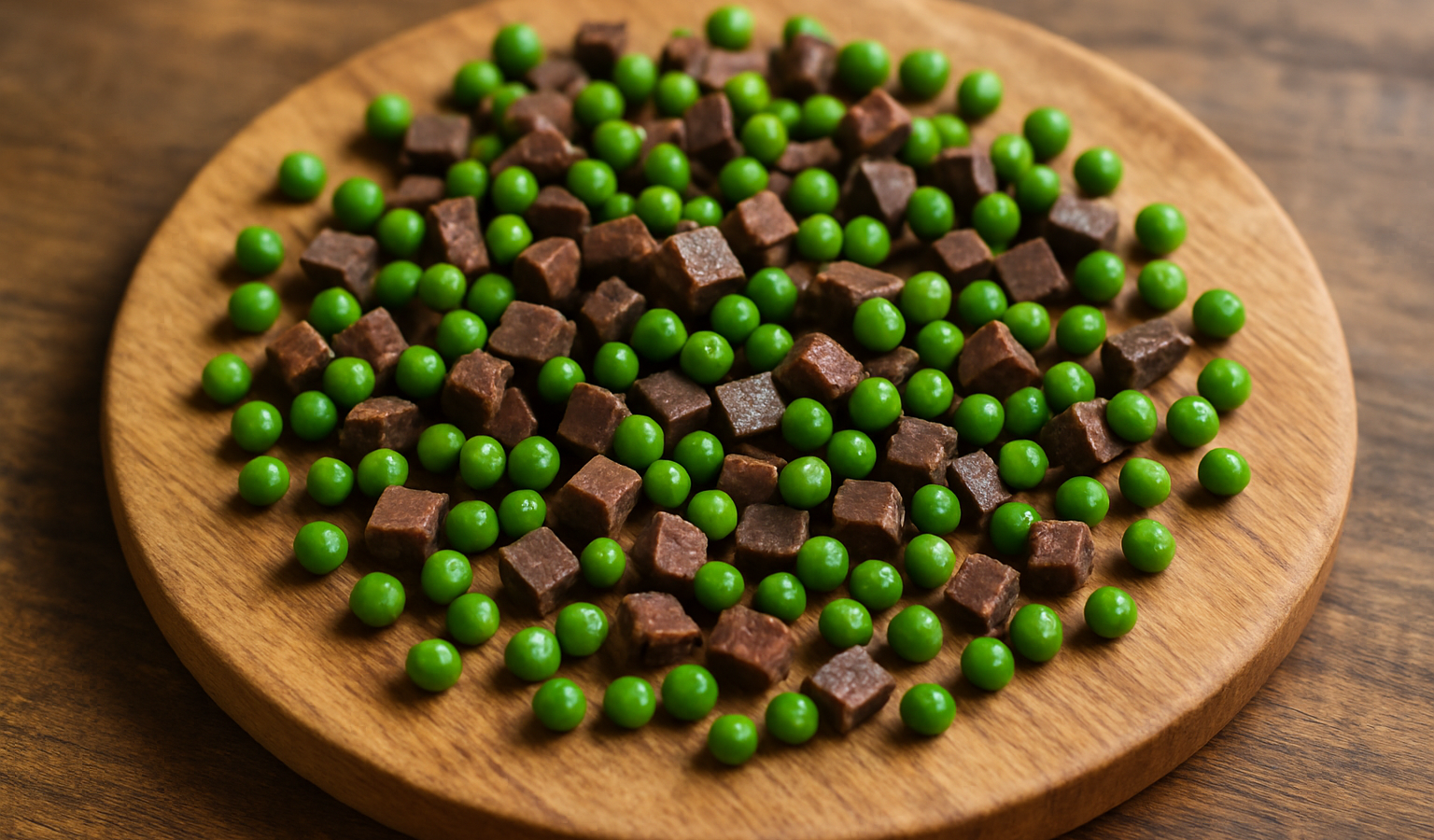

If you're looking for a simple yet effective way to mentally stimulate your dog and bring out their natural foraging instincts, scatter feeding is a fantastic option. This enrichment activity involves scattering small bits of food around your home or yard, encouraging your dog to sniff, search, and enjoy a rewarding hunt for their treats. Our featured recipe combines nutrient-rich liver and peas, creating an enticing aroma and nutritious snack that your dog will love.
Why This Recipe Works
Scatter feeding is a wonderful way to engage your dog's mind and senses. Dogs naturally love to sniff and explore their environment, and this activity satisfies those instincts while also providing a productive outlet for their energy. Unlike traditional feeding methods, scatter feeding turns mealtime into a stimulating adventure, promoting healthy eating habits and reducing gulping.
Nutritional Benefits
Liver is a powerhouse of nutrients, making it a great treat for dogs in moderation. It's packed with essential vitamins like A, B, and K, which support everything from vision to blood health. Liver also contains vital minerals such as iron and zinc, which contribute to a robust immune system. However, due to its richness, it should be served in small amounts to prevent any potential upset stomachs.
Peas are another excellent addition to your dog's diet. They're a great source of plant-based protein and fiber, which help maintain digestive health. Peas also provide essential vitamins, such as A, B, and K, and minerals like iron and zinc, supporting your dog's overall well-being. They add a pleasant crunch and sweetness to this recipe, making the hunt even more rewarding for your pet.
What You'll Need
Ingredients
- 1/4 cup cooked and finely chopped beef liver (ensure it's plain with no added spices)
- 1/2 cup frozen peas, thawed
- 1 tablespoon plain yogurt (optional for added flavor and nutrients)
- 1 teaspoon chopped parsley (optional for freshness and breath)
Equipment
- Baking sheet (for drying liver if needed)
- Food processor or knife (for chopping)
- Measuring cups and spoons
Making this for your dog?
Save it in WellWhisker and get a serving size made for your pet.
Get StartedStep-by-Step Instructions
- Prepare the Liver: If your liver is raw, boil it in plain water until fully cooked. Let it cool, then chop it into small, pea-sized pieces. If you prefer, you can also bake the liver pieces at 300°F (150°C) for about 10-15 minutes until they're dry to the touch, which makes them easier to scatter.
- Thaw the Peas: If using frozen peas, allow them to thaw completely. You can speed this up by rinsing them under warm water.
- Mix the Ingredients: In a bowl, combine the chopped liver, peas, and optional yogurt and parsley. Mix well until everything is evenly distributed. The yogurt will help the ingredients stick together slightly, making them easier to scatter.
- Scatter the Food: Choose an area where your dog can safely explore, such as your backyard or a clean, clutter-free room. Scatter the mixture over a wide area, ensuring the pieces are spread out so your dog has to move around to find each bite.
- Encourage Foraging: Introduce your dog to the activity by pointing out the first few treats. Encourage them to use their nose to sniff out the rest.
- Supervise and Enjoy: Watch your dog enjoy the hunt! Make sure they don't become too frustrated, and guide them to any overlooked pieces if needed.
Freezing & Storage
If you have leftovers, store the liver and pea mixture in an airtight container in the refrigerator for up to three days. For longer storage, freeze any extra liver and peas separately. Thaw before using for future scatter feeding sessions.
Serving Guide
- Under 20 lbs: Scatter about 1 tablespoon of the mixture per session.
- 20-50 lbs: Use 2 tablespoons of the mixture per session.
- 50+ lbs: Scatter 3 tablespoons or more, depending on your dog's activity level.
Serve this enrichment activity once or twice a week to keep it exciting and prevent your dog from becoming bored with the treat.
Safety Notes
- Moderation: Liver is nutrient-dense and should only be given in small amounts to avoid digestive upset.
- Allergies: Introduce new foods like liver and peas gradually and watch for any signs of food allergies or sensitivities, such as itching or digestive upset.
- Supervision: Always supervise your dog during scatter feeding to ensure they don't ingest anything harmful from the environment.
- Balance: Remember, treats should make up no more than 10% of your pet's daily calorie intake.
Make It Easier / Harder
- For Beginners: Start with a smaller area and larger pieces of liver to help your dog grasp the concept of scatter feeding. You can also place treats in more visible spots.
- For Advanced Foragers: Increase the challenge by using a larger area or adding other safe obstacles for your dog to navigate, such as low boxes or tunnels, making the hunt more complex.
Frequently Asked Questions
How often should I do scatter feeding with my dog?
Scatter feeding can be a fun weekly activity. Depending on your dog's interest and energy level, you can adjust frequency. Some dogs may enjoy it as a daily mental exercise, while others might prefer it less often.
Can I use other proteins instead of liver?
Certainly! Cooked chicken or turkey can be used as alternatives. Just make sure the meat is plain and finely chopped. Always check for any potential allergens or sensitivities in your dog.
What if my dog doesn't seem interested in scatter feeding?
If your dog isn't initially interested, try using stronger-scented treats or starting in a smaller, more contained area. You can also participate by pointing out treats and encouraging your dog to sniff around.
Can I scatter feed indoors?
Yes, scatter feeding can be done indoors in a safe, dog-friendly space. Ensure the area is clean and free from any hazards. An empty room or hallway can be a great starting point.
Key Takeaways
- Scatter feeding enriches your dog's environment by encouraging natural foraging behaviors.
- Liver and peas provide a nutritious and enticing combination for scatter feeding.
- Moderation is key when feeding liver due to its nutrient density.
- Introduce new foods gradually to check for allergies or sensitivities.
- Supervise your dog during scatter feeding to ensure safety and enjoyment.
Save this recipe for later
Keep the recipes your dog loves in one place, find new ones every week, and import the ones you find anywhere else. WellWhisker sizes every serving for your pet.
Want more like this? Browse all our enrichment ideas, or see every homemade dog treat recipe in one place.
This post contains affiliate links. If you purchase through these links, we may earn a small commission at no extra cost to you. This helps us keep creating free recipes for pet parents everywhere.
Disclaimer
This recipe is for supplemental feeding and enrichment only, not a meal replacement. Every pet is different. If your pet has food allergies, sensitivities, or health conditions, consult your veterinarian before introducing new foods. WellWhisker provides general wellness information and is not a substitute for professional veterinary advice.
Looking for more recipes like this? WellWhisker's Recipe Lab has a growing library of enrichment recipes tailored to your pet. Try it free at wellwhisker.app