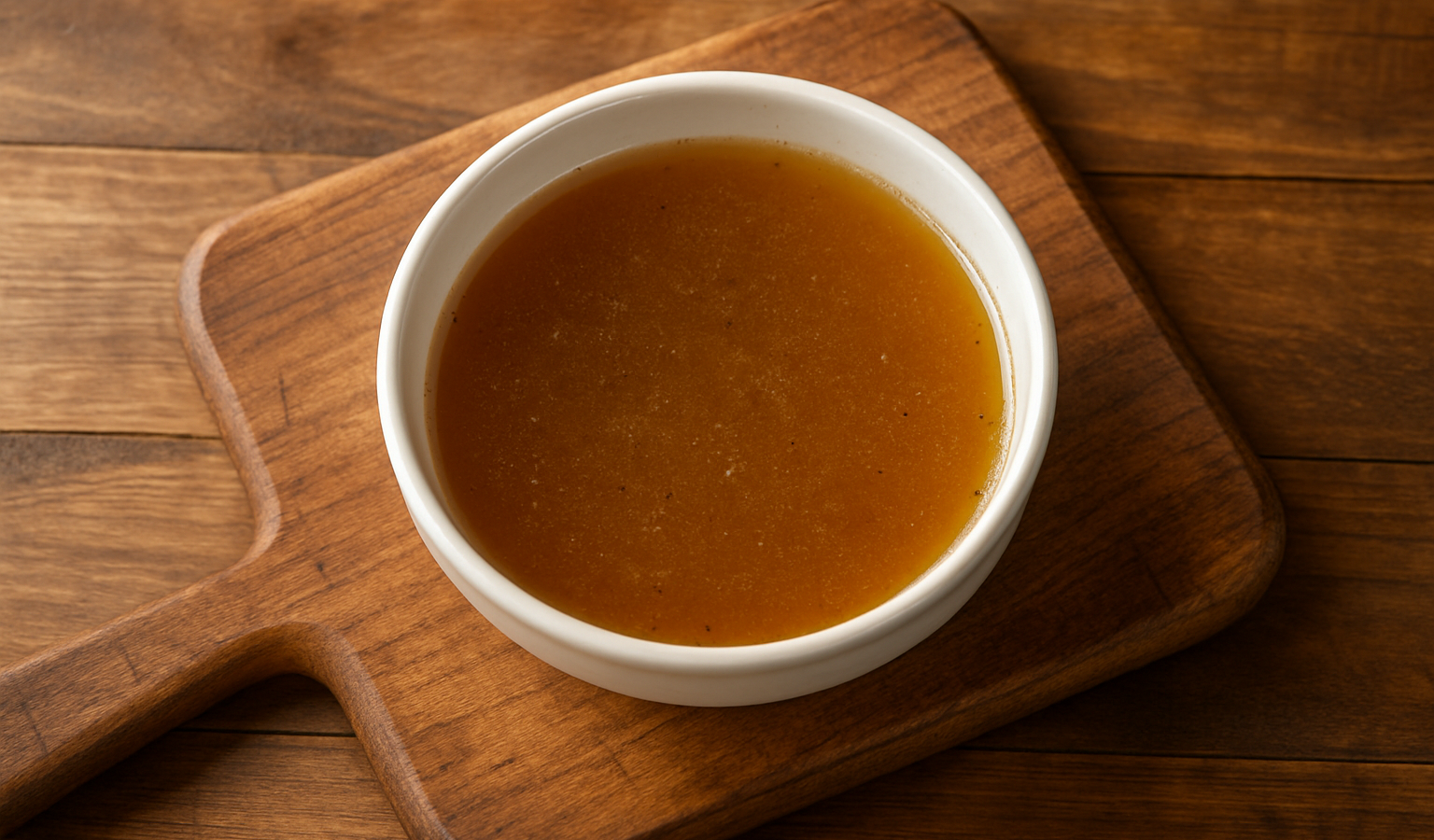

Bone broth isn't just a culinary trend for humans; it's a delightful, nutritious treat for dogs too! This pet-safe bone broth recipe is designed to add a burst of flavor and a hydration boost to your pet's meals. Whether served over kibble, mixed into dry food, or frozen into broth cubes, this recipe is sure to become a favorite for your dog.
Why This Recipe Works
Bone broth is a savory liquid made by simmering bones and connective tissues. For pets, it offers a plethora of benefits, making it a versatile addition to their diet. The slow-simmering process extracts nutrients and flavors from the bones, creating a rich, aromatic broth that pets love.
Nutritional Benefits
This recipe uses chicken or turkey parts, which can provide compounds like glucosamine and chondroitin that are often associated with joint support in both dogs and cats. Bone broth also contains gelatin/collagen, which may help support the digestive tract and overall gut health.
The inclusion of apple cider vinegar isn't just a culinary trick. The acidity helps break down the bones during simmering, releasing valuable minerals like calcium, magnesium, and phosphorus into the broth. These minerals are essential for maintaining strong bones and teeth in pets.
Enrichment and Enjoyment
Beyond the nutritional benefits, bone broth adds an element of enrichment to your pet's meals. The aroma and flavor can make regular kibble more enticing for picky eaters. For dogs and cats needing a little extra hydration, especially during the warmer months, bone broth can provide a refreshing and flavorful way to encourage fluid intake.
What You'll Need
Ingredients
- 1.5 to 2 lb chicken backs, wings, necks, or turkey necks/wings
- 6 cups water
- 1 tsp apple cider vinegar
- Optional: a few plain carrot coins for aroma only, then strain out
Equipment
- Large pot or slow cooker
- Fine mesh strainer or cheesecloth
- Skimmer or ladle
- Refrigerator for chilling
Making this for your dog?
Save it in WellWhisker and get a serving size made for your pet.
Get StartedStep-by-Step Instructions
- Prepare the Ingredients: Begin by placing the chicken or turkey parts into your pot or slow cooker. Add 6 cups of water, ensuring the bones are fully submerged. Pour in 1 tsp of apple cider vinegar.
- Simmer the Broth: If using a slow cooker, set it to low and let the mixture simmer gently for 12–18 hours. If you prefer the stovetop, keep it at a very low simmer for 4–6 hours. The key is a gentle simmer that allows nutrients to be extracted without boiling.
- Strain the Broth: Once cooking is complete, allow the broth to cool slightly. Strain it carefully using a fine mesh strainer or cheesecloth to ensure all bone fragments are removed. This step is crucial, as cooked bones can be dangerous if ingested by dogs.
- Chill and Skim: Transfer the strained broth to the refrigerator. As it chills, the fat will rise to the top and harden. Skim off most of the fat, leaving a little for flavor and nutrients.
- Serving Suggestions: The broth can be served plain and slightly warmed, or used as a flavorful topper over your pet's kibble. You can also freeze it into small broth cubes for a cooling treat or to gradually add flavor to meals.
Freezing & Storage
For extended storage, freeze the bone broth in ice cube trays or small containers. This makes it easy to pop out a cube or two as needed. Frozen broth cubes can last for several months in the freezer, while refrigerated broth should be used within a week to ensure freshness.
Serving Guide
- Small Dogs: 1–2 tablespoons
- Medium Dogs: 2–4 tablespoons
- Large Dogs: 1/4 cup
Bone broth is best served as an occasional treat or meal topper. It's ideal for enhancing the flavor of meals, providing hydration, or as a post-walk refreshment.
Safety Notes
- Bone Safety: Never use cooked bones in the broth or leave them in the liquid. Strain thoroughly to remove all fragments.
- Allergy Alerts: Introduce bone broth slowly and observe for any adverse reactions.
- Onion and Garlic Warning: Avoid using onion, garlic, or any seasoning high in salt. These ingredients are toxic to dogs and should never be included.
- Calorie Intake: Treats, including bone broth, should make up no more than 10% of your pet's daily calorie intake.
- Supervision: Always supervise your pet when introducing new foods or enrichment items.
Make It Easier / Harder
- For Beginners: Start by using a stovetop method for a shorter cooking time and simplicity in monitoring.
- For Advanced Enrichment: Add a few kibble pieces to frozen broth cubes, creating a mini puzzle that your dog can lick and nudge to access the treat.
- Flavor Variations: Experiment with adding a small amount of dog-safe herbs like parsley or rosemary for additional aroma, but strain them out before serving.
Frequently Asked Questions
How do I know if my dog will like bone broth?
Most dogs love the rich aroma and flavor of bone broth. Start with a small amount mixed into their regular food to see how they respond.
Can I use beef bones instead of chicken or turkey?
While beef bones can be used, they often require longer cooking times and may produce a heavier broth. Ensure all bones are thoroughly strained out, regardless of the type.
Is bone broth suitable for puppies?
Yes, in small amounts. However, always consult your vet before introducing new foods to puppies, especially if they have specific dietary needs.
Can I add vegetables to the broth?
You can add vegetables like carrots for aroma, but always strain them out before serving. Avoid onions, garlic, and any vegetables not listed as dog-safe.
Key Takeaways
- Bone broth is a nutritious, flavorful addition to your dog's diet.
- Rich in minerals and joint-supporting compounds.
- Enhances meal flavor and provides hydration.
- Always strain out bones and fragments for safety.
- Introduce slowly and monitor for any reactions.
Save this recipe for later
Keep the recipes your dog loves in one place, find new ones every week, and import the ones you find anywhere else. WellWhisker sizes every serving for your pet.
Want more like this? see every homemade dog treat recipe in one place.
This post contains affiliate links. If you purchase through these links, we may earn a small commission at no extra cost to you. This helps us keep creating free recipes for pet parents everywhere.
Disclaimer
"This recipe is for supplemental feeding and enrichment only, not a meal replacement. Every pet is different. If your pet has food allergies, sensitivities, or health conditions, consult your veterinarian before introducing new foods. WellWhisker provides general wellness information and is not a substitute for professional veterinary advice."
Looking for more recipes like this? WellWhisker's Recipe Lab has a growing library of enrichment recipes tailored to your pet. Try it free at wellwhisker.app