Dog Anxiety Solutions: Helping Your Furry Friend Feel at Ease
Discover effective dog anxiety solutions to help your furry friend feel at ease. Learn about calming environments and professional help for stress-free living.
Many dogs experience anxiety, which can manifest in various behaviors such as excessive barking, destructive chewing, or hiding. While this is common, it's not something you or your pet have to live with indefinitely. There are numerous solutions to help alleviate your dog's anxiety, from environmental changes to professional help. Let's explore these options to ensure your pup leads a happier, stress-free life.
Understanding Dog Anxiety
Dog anxiety can stem from different sources, including separation from their owners, loud noises, or changes in their environment. Recognizing the signs is the first step. You might notice your dog pacing, trembling, or even drooling excessively. In more severe cases, they might attempt to escape or become aggressive. It's crucial to identify these behaviors early on to address them effectively.
Genetics and past experiences can also contribute to anxiety. For instance, rescue dogs might exhibit anxiety due to previous trauma. Breeds such as German Shepherds and Border Collies are more prone to anxiety, likely due to their high intelligence and need for stimulation. Understanding your dog's specific anxiety triggers will help tailor the most effective solutions.
Create a Calming Environment
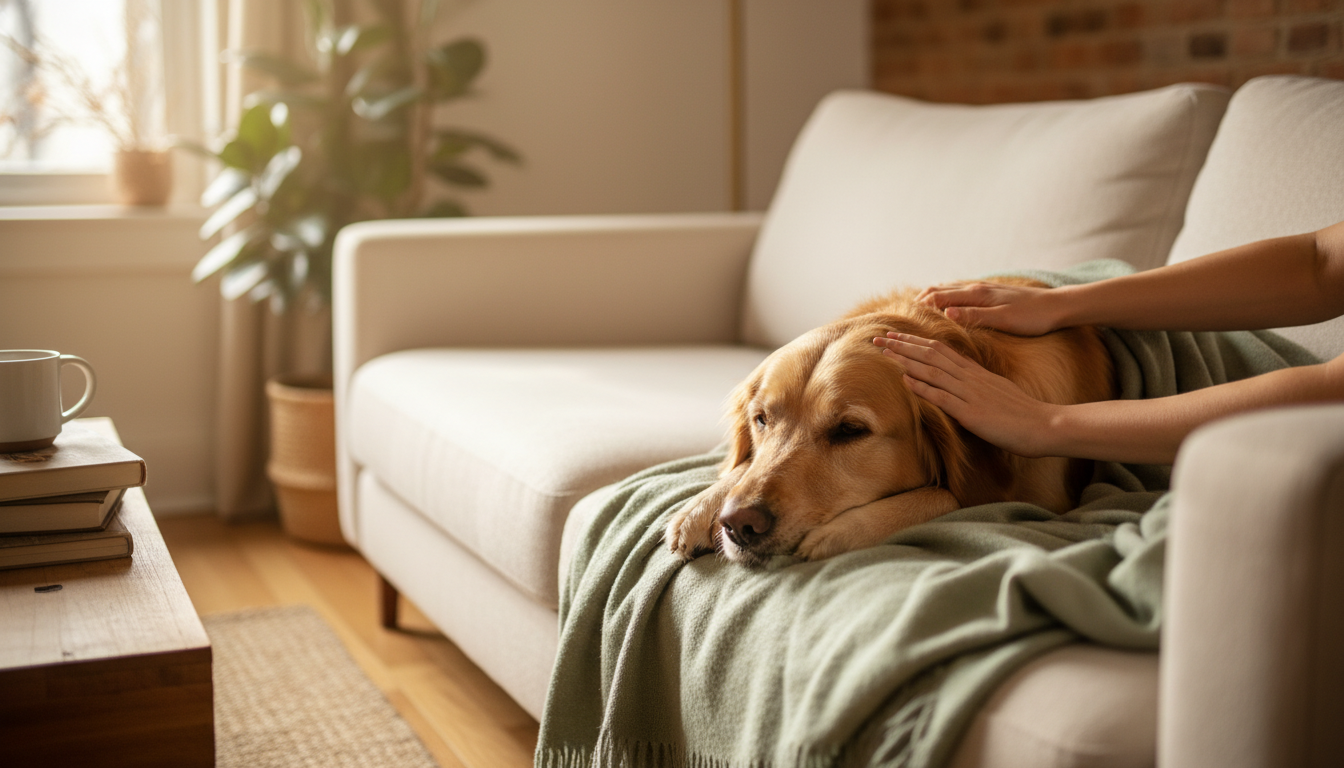
A calming environment can significantly reduce anxiety levels in dogs. Start by designating a safe space where your dog feels secure. This could be a quiet room or a cozy corner with their bed and favorite toys. Reduce noise and disturbances in this area to help them feel at ease.
Playing calming music or using white noise machines can also be beneficial. Studies have shown that classical music can lower stress levels in dogs. Additionally, consider investing in pheromone diffusers, which mimic calming natural dog pheromones. These can be found online or at most pet stores and have been reported by many pet owners as effective in reducing anxiety.
Exercise and Mental Stimulation
Regular exercise is a natural stress reliever for dogs. Daily walks or play sessions help burn off excess energy that might otherwise manifest as anxiety. Aim for at least 30 minutes of physical activity each day, but adjust based on your dog's breed and energy levels.
In addition to physical exercise, mental stimulation is vital. Interactive toys and puzzles can keep your dog engaged and distract them from stressors. The AKC recommends toys that challenge your dog's problem-solving skills, which can be particularly beneficial for intelligent breeds. You can even rotate toys to keep their interest piqued.
Training and Desensitization
Training is an effective tool in managing dog anxiety. Positive reinforcement methods build confidence and strengthen the bond between you and your pet. Start with basic commands and gradually introduce more complex tasks. Rewarding calm behavior, rather than reacting to anxious actions, encourages your dog to adopt a more relaxed demeanor.
Desensitization involves gradually exposing your dog to anxiety triggers in a controlled and safe manner. For example, if your dog is fearful of loud noises, play recordings of thunder at a low volume while offering treats and praise. Slowly increase the volume over time, maintaining a positive association. This method requires patience but can lead to significant improvements.
Professional Help: When to Seek It
Sometimes, despite your best efforts, professional help is necessary. A certified dog behaviorist or trainer can provide personalized strategies tailored to your dog's specific needs. They can offer insights that might not be apparent to you and guide you through more advanced techniques.
In some cases, medication might be prescribed by your veterinarian. Many vets suggest medications like fluoxetine or sertraline for severe anxiety. While medication isn't a standalone solution, it can complement other methods, particularly during the initial stages of treatment.
Natural Remedies and Supplements
There are various natural remedies that many pet owners find effective. Supplements containing ingredients like L-theanine, chamomile, and valerian root are popular. These can be found in various forms, including chews and oils, and are often recommended for dogs with mild to moderate anxiety.
CBD oil has also gained attention in recent years as a potential aid for anxiety. While research is still ongoing, some studies suggest it may help reduce stress. Always consult with your vet before introducing any new supplements to ensure they're appropriate for your dog.
Frequently Asked Questions
What are the most common signs of anxiety in dogs?
Common signs include pacing, trembling, excessive barking, destructive behavior, and hiding. Some dogs may also exhibit changes in appetite or aggression. Observing these behaviors consistently is a good indicator of anxiety.
How can I tell if my dog's anxiety is severe?
Severe anxiety often involves more intense behaviors such as attempts to escape, self-harm, or aggression towards people and other animals. If your dog is exhibiting these signs, it's advisable to consult a veterinarian or a professional behaviorist.
Are there any breeds more prone to anxiety?
Yes, some breeds like Labrador Retrievers, German Shepherds, and Border Collies are known to be more susceptible to anxiety. This is often due to their high energy levels and intelligence, which require ample physical and mental stimulation.
Can CBD oil really help with dog anxiety?
While many pet owners report positive results, it's important to note that research is still limited. CBD oil may help reduce anxiety, but it's crucial to consult your vet before administering it to ensure it's safe for your dog.
How long does it take to see improvements in my dog's anxiety?
The timeline varies depending on the severity of the anxiety and the methods used. Some dogs show improvement within weeks, while others may take several months. Consistency and patience are key.
Key Takeaways
- Recognize anxiety signs early to address them effectively.
- Create a calming environment with a designated safe space for your dog.
- Regular exercise and mental stimulation are crucial for reducing anxiety.
- Training and desensitization can help manage anxiety triggers.
- Professional help, including behaviorists or medication, may be necessary for severe cases.
- Natural remedies like supplements and CBD oil can offer additional support.
- Consistency and patience are essential for long-term improvement.
Sources
- ASPCA Animal Poison Control
- AKC - Dog Nutrition
- PetMD - Dog Nutrition
- VCA Animal Hospitals
- Merck Veterinary Manual
- Tufts Veterinary Nutrition
---
This article is for informational purposes only and is not a substitute for professional veterinary advice, diagnosis, or treatment. Always consult your veterinarian before making changes to your pet's diet or health routine. WellWhisker does not provide veterinary medical advice.
Try WellWhisker
Homemade treat recipes, ingredient scanner, and wellness tools, personalized for your pet.
Get Started