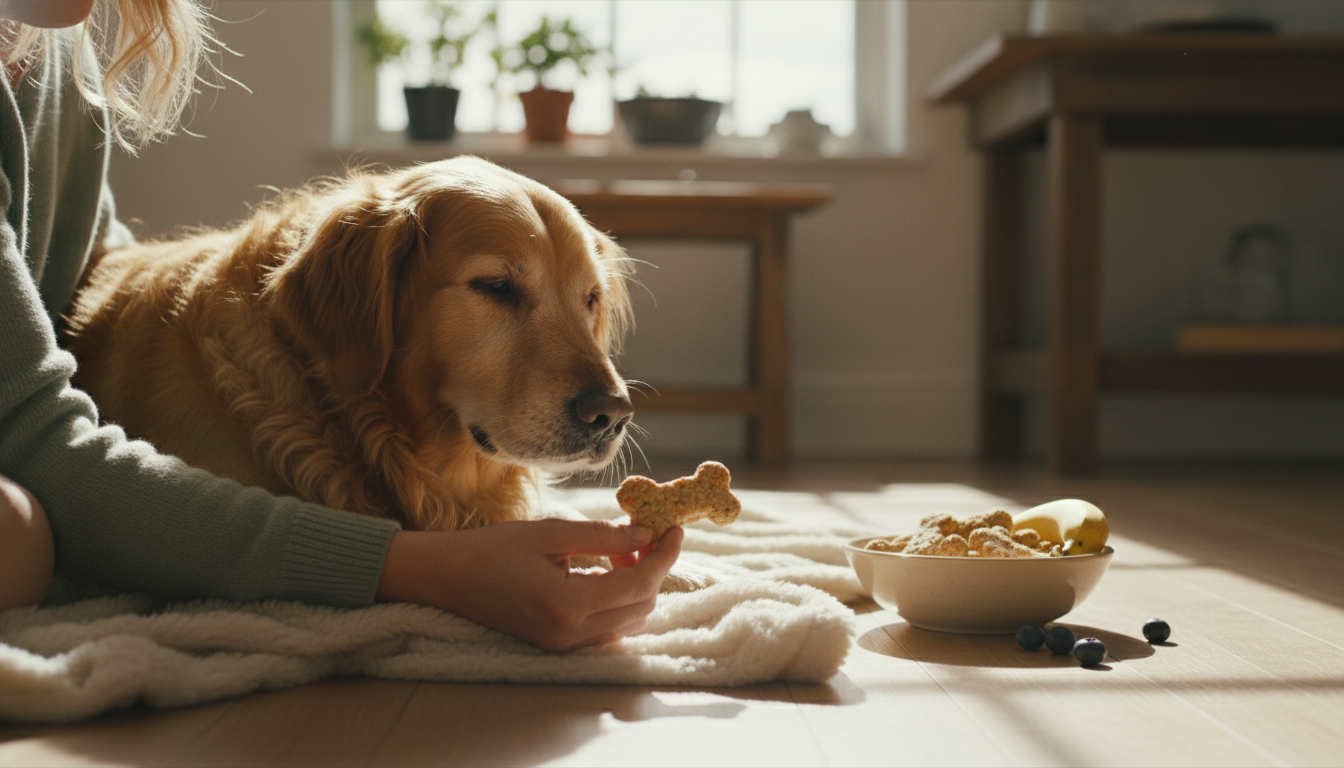
DIY Dog Treat Recipes: A Guide to Homemade Goodness
Discover the benefits of DIY dog treats with our guide. Control ingredients and save money while making healthy snacks your dog will love.
Making DIY dog treats at home can be a rewarding and fun way to bond with your dog while ensuring they enjoy healthy, nutritious snacks. Whether you're looking to save money, control ingredients, or just have a great time in the kitchen, homemade dog treats are a fantastic option. In this article, we'll explore several delicious recipes, tips for making them, and answer common questions about DIY dog treats.
Why Make DIY Dog Treats?
You might be wondering why you should bother making dog treats at home when there are countless options available at the pet store. The primary advantage of DIY dog treats is control over the ingredients. Many commercial treats are packed with preservatives, artificial flavors, and fillers that may not be ideal for your dog's health. Homemade treats allow you to select high-quality, natural ingredients that cater to your dog's specific dietary needs.
Moreover, making dog treats at home can be cost-effective. Buying ingredients in bulk and making larger batches can save you money over time. Plus, it’s a fun activity that you and your dog can enjoy together. You can experiment with flavors and textures to find what your dog loves most.
Essential Ingredients for DIY Dog Treats
When making dog treats at home, it's crucial to use ingredients that are safe and healthy for dogs. Here are some commonly used ingredients that can be found in many DIY dog treat recipes:
- Peanut Butter: Dogs love peanut butter, and it's a great source of protein and healthy fats. Ensure that it's free from xylitol, a sweetener that is toxic to dogs.
- Pumpkin: Rich in fiber and low in calories, pumpkin can aid digestion and is a favorite among many dogs.
- Sweet Potatoes: Packed with vitamins and antioxidants, sweet potatoes are a nutritious and flavorful ingredient for dog treats.
- Oatmeal: As a good source of fiber, oatmeal is gentle on the digestive system and can be an excellent base for treats.
- Chicken or Beef Broth: Low-sodium versions add flavor without adding salt, making them a great liquid base for many recipes.
Always avoid ingredients that are harmful to dogs, such as chocolate, grapes, raisins, onions, and garlic.
Simple DIY Dog Treat Recipes
Peanut Butter and Banana Biscuits
Ingredients:
- 1 1/2 cups whole wheat flour
- 1/2 cup rolled oats
- 1/4 cup unsalted, xylitol-free peanut butter
- 1/2 cup mashed ripe banana
- 1/4 cup water
Instructions:
- Preheat your oven to 350°F (175°C).
- In a large bowl, combine the flour and oats.
- In a separate bowl, mix the peanut butter and banana until smooth.
- Combine the wet and dry ingredients, adding water gradually until a dough forms.
- Roll out the dough to about 1/4 inch thick and cut into shapes using cookie cutters.
- Place the treats on a baking sheet lined with parchment paper.
- Bake for 15-20 minutes until they're golden brown. Let them cool completely before serving.
Sweet Potato Chews
Ingredients:
- 2 large sweet potatoes
Instructions:
- Preheat your oven to 250°F (120°C).
- Wash and peel the sweet potatoes. Slice them into 1/4-inch thick strips.
- Arrange the slices on a baking sheet lined with parchment paper.
- Bake for about 3 hours, flipping halfway through, until they're dried and chewy.
- Allow them to cool before serving.
Pumpkin and Oatmeal Bites
Ingredients:
- 1 cup canned pumpkin (not pumpkin pie filling)
- 1/2 cup rolled oats
- 1/2 cup whole wheat flour
Instructions:
- Preheat your oven to 350°F (175°C).
- Mix all the ingredients in a bowl until well combined.
- Scoop small amounts of the mixture and form into balls or flatten into discs.
- Place on a baking sheet and bake for 15-20 minutes.
- Cool completely before serving.
Storage Tips for Homemade Dog Treats
Storing your homemade treats properly is crucial to ensure they remain fresh and safe for your dog. Most DIY dog treats can be stored in an airtight container at room temperature for up to a week. For longer storage, consider refrigerating them, which can extend their shelf life to about one to two weeks. Alternatively, freezing them can preserve freshness for up to three months. Just remember to thaw treats before feeding them to your dog.
Customizing Treats for Your Dog's Needs
Every dog is unique, and their dietary needs can vary based on age, size, and health conditions. When making homemade treats, consider customizing recipes to suit your dog's specific requirements. For example, if your dog needs to lose weight, opt for lower-calorie ingredients like pumpkin and sweet potatoes. If your dog has allergies, you may need to avoid certain grains or proteins.
Consult with your veterinarian before introducing new ingredients, especially if your dog has known allergies, health issues, or dietary restrictions. Your vet can provide guidance on what ingredients are safe and beneficial for your dog's specific needs.
Frequently Asked Questions
Are homemade dog treats healthier than store-bought ones?
Homemade dog treats can be healthier than store-bought options because you have control over the ingredients. You can avoid preservatives, artificial flavors, and low-quality fillers often found in commercial treats. By using whole, natural ingredients, you can provide your dog with nutritious snacks tailored to their needs.
How can I ensure the treats are safe for my dog?
To ensure the safety of homemade dog treats, use ingredients that are safe for dogs and avoid those that are toxic, such as chocolate, grapes, and xylitol. Always consult with your veterinarian if you're unsure about a particular ingredient, especially if your dog has dietary restrictions or allergies.
How do I know if my dog likes the treats?
You'll know your dog enjoys the treats if they eagerly eat them and show excitement when you offer one. Observe your dog's behavior and body language; wagging tails and attentive posture are good indicators. If your dog seems disinterested, try adjusting the recipe to include flavors you know they love.
Can I use gluten-free flour in dog treat recipes?
Yes, you can substitute whole wheat flour with gluten-free alternatives like rice flour or oat flour if your dog has a gluten sensitivity. However, consult your veterinarian to ensure these alternatives are suitable for your dog's specific dietary needs.
How often can I give my dog homemade treats?
Treats should make up no more than 10% of your dog's daily caloric intake. Consult your veterinarian to determine the appropriate amount based on your dog's size, age, and activity level. Overfeeding treats can lead to weight gain and nutritional imbalances. Be mindful of portion sizes and adjust your dog's main meals accordingly to maintain a balanced diet.
Key Takeaways
- DIY dog treats offer control over ingredients, ensuring healthier snacks for your dog.
- Key ingredients include peanut butter, pumpkin, sweet potatoes, and oatmeal.
- Simple recipes like Peanut Butter and Banana Biscuits can be made with common pantry items.
- Store treats in an airtight container at room temperature, refrigerate, or freeze for longer shelf life.
- Customize recipes to fit your dog's dietary needs, consulting your vet as necessary.
Sources
For more tips and personalized recipes, check out WellWhisker's Recipe Lab feature, where you can find DIY enrichment recipes tailored to your dog's preferences and needs. Visit WellWhisker for more information.
Try WellWhisker
Homemade treat recipes, ingredient scanner, and wellness tools, personalized for your pet.
Get Started