DIY Dog Toy Enrichment Ideas for Engaged Playtime
Discover DIY dog toy enrichment ideas to keep your dog entertained and mentally stimulated. Engage your dog's mind with these creative, budget-friendly toys.
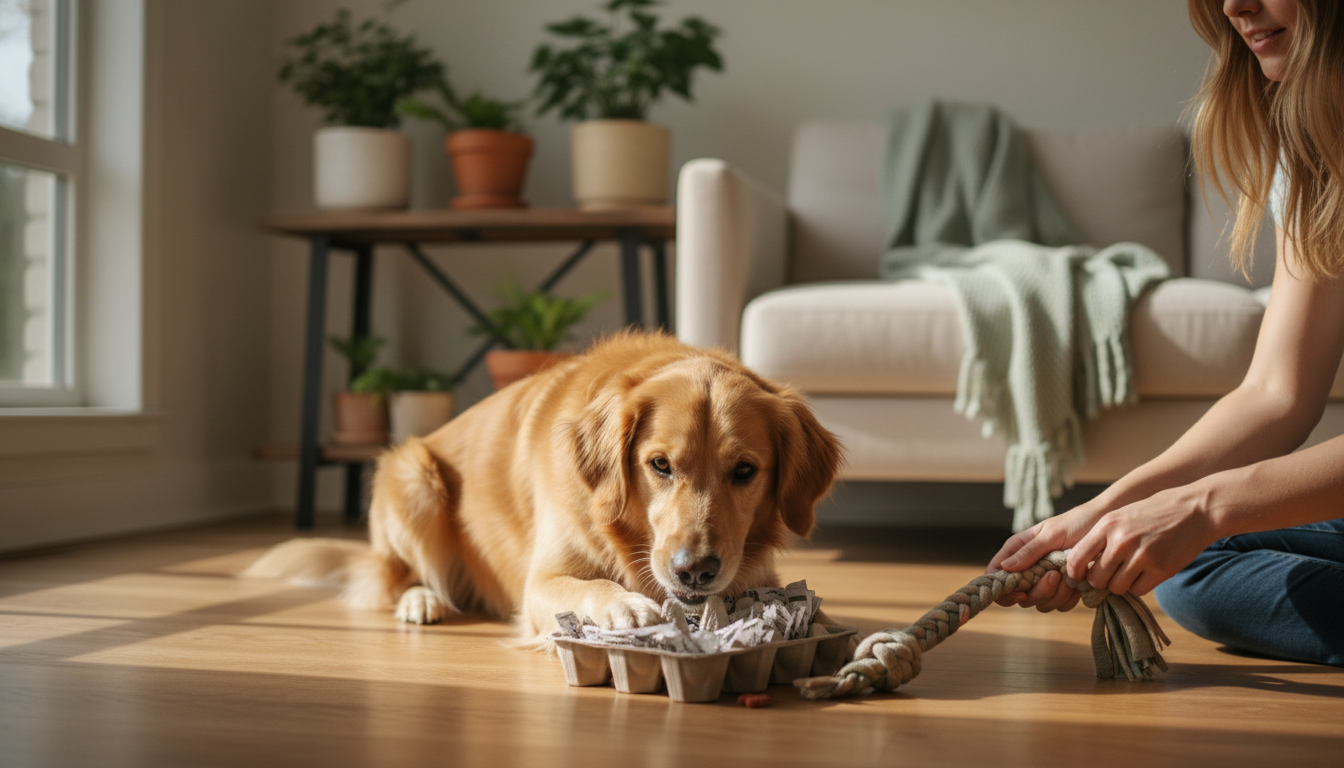
Looking to keep your canine companion entertained and mentally stimulated? DIY dog toy enrichment is an excellent way to engage your dog's mind, keep them active, and strengthen your bond. You don't need a degree in crafts or a big budget to make your dog's playtime more exciting. With just a few household items and some creative thinking, you can create toys that will captivate your dog's attention for hours.
Why Enrichment is Essential for Dogs
Dogs are intelligent creatures that thrive on mental and physical stimulation. Without enough of it, your dog may become bored, frustrated, or even develop destructive behaviors. Enrichment activities, like DIY toys, are not only fun but also essential for your dog's overall well-being. They help to keep your dog's brain active, which can slow down cognitive decline as they age. According to the ASPCA, mental stimulation is as important as physical exercise for your pet's health. Enrichment toys can help mimic natural behaviors such as hunting, foraging, and problem-solving.
Simple DIY Toy Ideas for Beginners
Starting with simple DIY toys is a great way to test what your dog enjoys. One easy option is the classic "Sock and Ball" toy. All you need is an old sock and a tennis ball. Place the ball inside the sock, tie a knot at the open end, and voilà—a quick and easy tug toy! Another option is the "Towel Tug". Roll up a towel, knot it in the middle, and you've got a tug-of-war toy that also cleans your dog's teeth as they chew.
For a bit more challenge, try the "Muffin Tin Puzzle". Place treats in the cups of a muffin tin, cover each cup with a tennis ball, and let your dog figure out how to uncover the treats. VCA Hospitals suggest that puzzles like these can help improve your dog's problem-solving skills, making them smarter over time.
Intermediate DIY Toys for the Crafty Owner
If you're ready to take things up a notch, intermediate DIY toys can offer more complexity for both you and your dog. The "Braided T-shirt Toy" requires three old t-shirts. Cut them into strips, braid them together, and tie the ends. This durable toy is perfect for dogs who love to chew and tug.
The "Bottle and Rope" toy is another excellent choice. Take a plastic bottle, remove the cap and label, and insert it into a long sock. Tie the end of the sock, and you've got a crinkly chew toy that squeaks without the need for a squeaker. This toy is great for dogs who love both chewing and noise.
Advanced DIY Toy Challenges
For those who have mastered the basics, advanced DIY toys offer a real challenge for your dog. The "PVC Pipe Puzzle" is a great example. You'll need a length of PVC pipe, a drill, and some end caps. Drill holes into the pipe, fill it with treats, and cap the ends. Your dog will need to roll and turn the pipe to get the treats out. According to the AKC, toys like these can significantly enhance your dog’s cognitive skills.
Another advanced option is the "Snuffle Mat". This toy requires a rubber mat with holes and fleece strips. Tie the strips through the holes to create a shaggy surface. Hide treats in the mat, and watch your dog use their nose to forage through the fleece. Snuffle mats are excellent for dogs who enjoy sniffing and searching activities, providing both mental and sensory stimulation.
Safety Tips for DIY Dog Toys
While making DIY toys is a fun and rewarding project, safety should always be your top priority. Always use non-toxic materials, and avoid small parts that could be swallowed. Inspect your homemade toys regularly for wear and tear, and replace them if they become damaged. Supervise your dog during playtime to ensure they don't chew off pieces that could become a choking hazard. Many vets recommend keeping an eye on your dog during their first few interactions with a new toy to see how they handle it.
Frequently Asked Questions
What are the benefits of DIY dog toys?
DIY dog toys offer the benefit of customization to fit your dog's preferences and needs. They're cost-effective and can be made from materials you already have at home. These toys provide mental and physical stimulation, reducing boredom and preventing destructive behavior.
How often should I introduce new toys to my dog?
Introducing new toys every few weeks can keep your dog interested and engaged. Rotating toys regularly helps maintain their novelty, ensuring your dog doesn't get bored. Consider combining new DIY toys with old favorites to provide a balanced variety.
Are there any materials I should avoid when making dog toys?
Yes, avoid using materials that are toxic or can easily break into small, swallowable pieces. Steer clear of items like small buttons, beads, or anything with sharp edges. Always choose durable, non-toxic materials that are safe for pets.
Can DIY toys replace regular exercise?
While DIY toys are excellent for mental stimulation, they shouldn't replace regular physical exercise. Dogs need a balance of both physical and mental activities to stay healthy. Use DIY toys as a supplement to your dog's daily walks and play sessions.
How can I make DIY toys last longer?
Use durable materials and reinforce any weak points. Regularly inspect toys for damage and repair them promptly. Rotate toys frequently to prevent wear and tear from daily use, and store them properly when not in use.
Key Takeaways
- DIY dog toys are a cost-effective way to provide mental and physical enrichment.
- Start with simple toys like the "Sock and Ball" before moving to more complex puzzles.
- Intermediate toys, like the "Braided T-shirt Toy", offer more durability and challenge.
- Advanced toys, such as the "PVC Pipe Puzzle", can greatly enhance cognitive skills.
- Always prioritize safety by using non-toxic materials and supervising playtime.
Sources
- ASPCA Animal Poison Control
- AKC - Dog Nutrition
- PetMD - Dog Nutrition
- VCA Animal Hospitals
- Merck Veterinary Manual
- Tufts Veterinary Nutrition
---
This article is for informational purposes only and is not a substitute for professional veterinary advice, diagnosis, or treatment. Always consult your veterinarian before making changes to your pet's diet or health routine. WellWhisker does not provide veterinary medical advice.
Try WellWhisker
Homemade treat recipes, ingredient scanner, and wellness tools, personalized for your pet.
Get Started