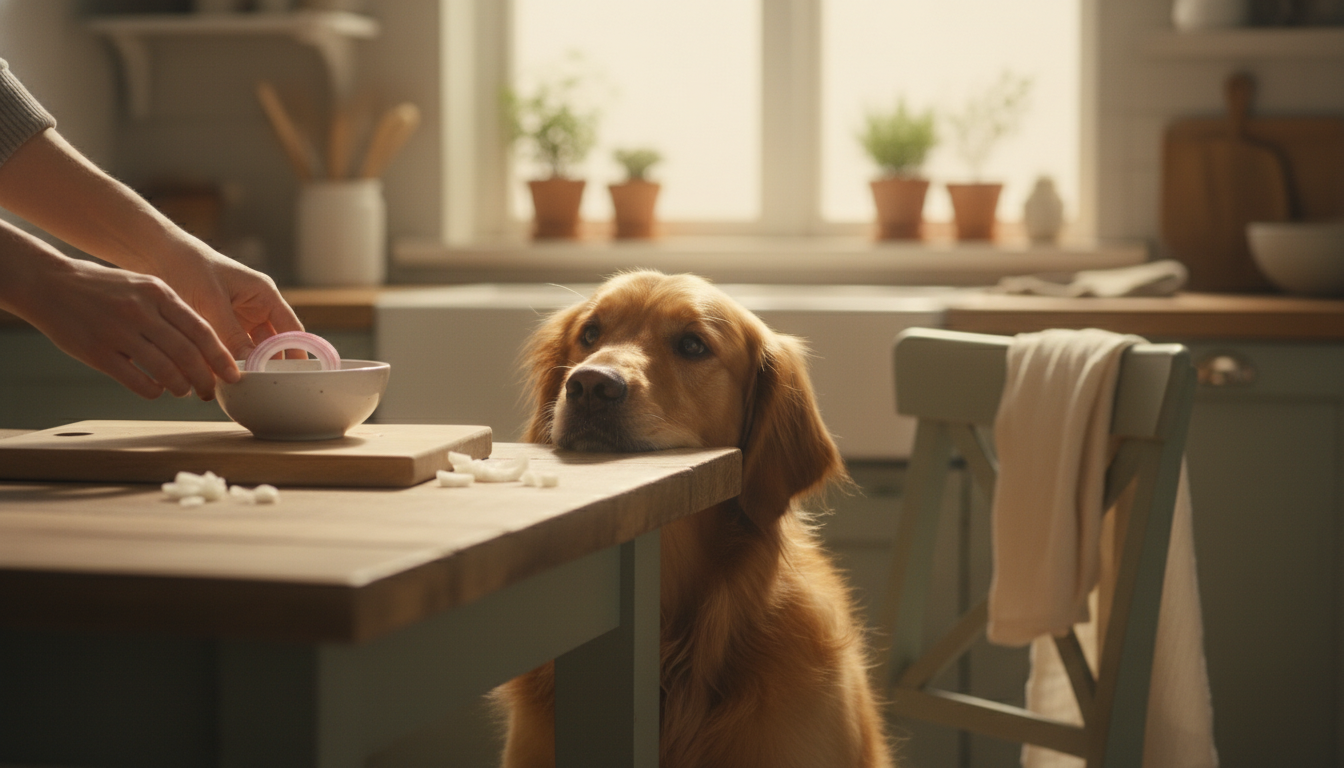
Can Dogs Eat Onions? Understanding the Risks
Can dogs eat onions? Learn why onions are toxic to dogs, symptoms of toxicity, and how to prevent accidental ingestion.
Dogs should never eat onions. Even small amounts can be harmful. Onions contain compounds that are toxic to dogs, potentially leading to serious health issues. Understanding why onions are dangerous and how to protect your pup from them is essential for any dog owner. This article delves into the reasons onions are unsafe for dogs, symptoms of onion toxicity, and how to prevent accidental ingestion.
Why Are Onions Toxic to Dogs?
Onions, along with garlic, leeks, and chives, belong to the Allium family. These plants contain compounds known as thiosulfates, which are harmless to humans but toxic to dogs. Thiosulfates can cause oxidative damage to red blood cells in dogs, leading to a condition called hemolytic anemia. This condition can severely impact a dog's health, causing a range of symptoms from lethargy to more severe complications.
The ASPCA warns that all forms of onion, whether raw, cooked, or powdered, are dangerous for dogs. This includes onion powder found in many processed foods and seasonings. While it might seem harmless to drop a bit of onion from your plate, even small amounts can lead to toxicity over time if consumed regularly.
Symptoms of Onion Toxicity in Dogs
Recognizing the symptoms of onion toxicity is crucial in ensuring your dog's well-being. The symptoms may not appear immediately and can take a few days to manifest. Common signs include:
- Lethargy and Weakness: Affected dogs may seem unusually tired and unwilling to engage in normal activities.
- Pale Gums: Check your dog's gums. If they're paler than usual, it could indicate anemia.
- Vomiting and Diarrhea: Gastrointestinal distress is often one of the first signs of poisoning.
- Increased Heart Rate: Your dog might experience tachycardia, which is an abnormally fast heart rate.
- Breathing Difficulties: Some dogs may show signs of respiratory distress due to reduced oxygen-carrying capacity of their blood.
If you suspect onion toxicity, it's crucial to contact your veterinarian immediately. Early intervention can make a significant difference in the outcome.
How Much Onion is Toxic to Dogs?
The toxicity of onions depends on the size of the dog and the amount ingested. As a general guideline, consuming more than 0.5% of a dog's body weight in onions can cause toxic effects. For example, a 20-pound dog could be affected by consuming just a small onion or half a cup of onion powder.
It's important to be aware of foods that may contain hidden onion ingredients. Many baby foods, pre-packaged meals, and sauces can contain onion powder or onion salt, posing a risk if given to dogs. Always check ingredient labels before sharing human food with your pet.
Preventing Onion Ingestion
Prevention is key when it comes to keeping your dog safe from onion toxicity. Here are some practical tips:
- Avoid Table Scraps: Don't feed your dog table scraps that might contain onions or onion powder.
- Read Labels Carefully: Always check the ingredients of any premade food or treat you're considering for your dog.
- Educate Family Members: Make sure everyone in your household is aware of the dangers of onions and takes care to prevent accidental ingestion.
- Secure Trash Cans: Dogs are known to rummage through trash, so make sure your garbage is secured and out of their reach.
By taking these steps, you can significantly reduce the risk of your dog ingesting onions and other harmful substances.
What to Do if Your Dog Eats Onions
If you discover that your dog has eaten onions, time is of the essence. Contact your veterinarian immediately, even if your dog isn't showing symptoms yet. The vet may induce vomiting or administer activated charcoal to prevent further absorption of the toxins.
In severe cases, your dog might require hospitalization for more intensive treatment, such as intravenous fluids and blood transfusions. The goal is to stabilize your pet and support their recovery while the toxins are flushed from their system.
Safe Alternatives to Onions for Dogs
While onions are a no-go, there are plenty of other foods that are safe and nutritious for dogs. Here are some healthy alternatives:
- Carrots: Crunchy and sweet, carrots are a great low-calorie treat for dogs.
- Pumpkin: High in fiber and vitamins, pumpkin can aid digestion.
- Green Beans: These are low in calories and can be given fresh or cooked.
- Blueberries: Packed with antioxidants, blueberries make a tasty snack.
Remember, moderation is key. Even safe foods should be given in moderation to avoid stomach upset or weight gain.
Frequently Asked Questions
Can a small amount of onion hurt my dog?
Yes, even a small amount of onion can be harmful, especially if consumed regularly. It's best to avoid giving your dog any onion at all.
How long after eating onions will a dog get sick?
Symptoms can appear within a day or two after ingestion, but it may take longer for some dogs. Keep an eye out for warning signs and contact your vet if you're concerned.
Are cooked onions less toxic to dogs?
No, cooking does not reduce the toxicity of onions. Both raw and cooked onions are dangerous for dogs.
Can onion poisoning be cured?
With prompt veterinary care, many dogs can recover from onion poisoning. Treatment focuses on managing symptoms and preventing further damage to red blood cells.
What about garlic? Is it safe for dogs?
Like onions, garlic is also part of the Allium family and is toxic to dogs. It's best to avoid giving your dog garlic in any form.
Key Takeaways
- Dogs should never eat onions due to the presence of toxic thiosulfates.
- Symptoms of onion toxicity include lethargy, pale gums, and gastrointestinal distress.
- Consuming more than 0.5% of a dog's body weight in onions can be toxic.
- Prevent ingestion by avoiding table scraps and checking food labels.
- Healthy alternatives include carrots, pumpkin, and blueberries.
Sources
- ASPCA Animal Poison Control
- AKC - Dog Nutrition
- PetMD - Dog Nutrition
- VCA Animal Hospitals
- Merck Veterinary Manual
- Tufts Veterinary Nutrition
---
This article is for informational purposes only and is not a substitute for professional veterinary advice, diagnosis, or treatment. Always consult your veterinarian before making changes to your pet's diet or health routine. WellWhisker does not provide veterinary medical advice.
Try WellWhisker
Homemade treat recipes, ingredient scanner, and wellness tools, personalized for your pet.
Get Started