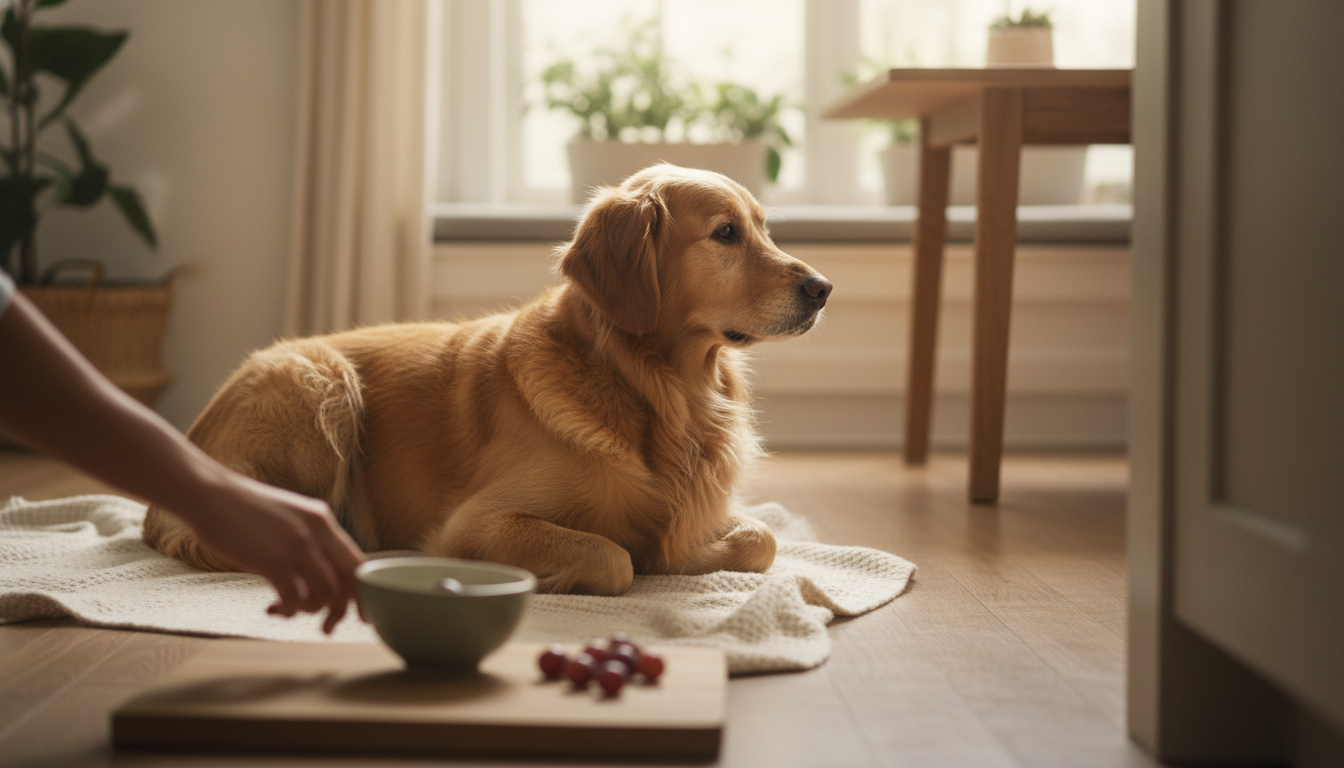
Can Dogs Eat Grapes? Understanding the Risks and Symptoms
Can dogs eat grapes? No, they are toxic and can cause kidney failure. Learn why grapes are dangerous and symptoms of grape toxicity in dogs.
The short answer is no, dogs should not eat grapes. Grapes and their dried counterparts, raisins, are toxic to dogs and can lead to severe health issues, including kidney failure. This may come as a surprise since grapes are often considered a healthy snack for humans. However, even a small quantity can be poisonous for dogs. Below, we'll explore why grapes are dangerous, what symptoms to watch for, and what to do if your dog accidentally ingests them.
Why Are Grapes Toxic to Dogs?
The exact reason why grapes are toxic to dogs isn't entirely clear, but the evidence is undeniable. According to the ASPCA, grapes can cause sudden kidney failure in dogs. Even small amounts have been reported to cause severe reactions in some dogs, while others may eat grapes without immediate harm. This variability makes it even more crucial to avoid giving grapes to dogs altogether.
Researchers believe that a substance in grapes may react negatively with a dog's metabolism, leading to kidney damage. Unlike humans, dogs don't metabolize certain compounds the same way, which can result in unexpected toxic reactions. The mechanism of toxicity is still a subject of ongoing research, but the risks are clear.
Symptoms of Grape Toxicity
If a dog eats grapes, symptoms of toxicity might not appear immediately. They can develop within a few hours or take up to a couple of days to manifest. Being aware of these symptoms can help you act quickly if your dog ingests grapes:
- Vomiting and Diarrhea: These are often the first signs of grape toxicity. If you notice your dog vomiting or having diarrhea hours after eating grapes, it's a red flag.
- Lethargy: A sudden lack of energy or excessive tiredness can indicate that something is wrong.
- Abdominal Pain: Dogs in pain may exhibit signs like restlessness, whining, or reluctance to move.
- Decreased Appetite: If your dog shows a lack of interest in food, it could be a symptom.
- Increased Thirst and Urination: These symptoms could indicate the onset of kidney issues.
- Dehydration: Dry gums, sunken eyes, and decreased skin elasticity are signs of dehydration, often associated with kidney problems.
If you notice any of these symptoms, contact your veterinarian immediately.
What to Do If Your Dog Eats Grapes
Time is of the essence if your dog eats grapes. Here's a step-by-step guide on what to do:
- Contact Your Veterinarian: This should be your first step. They'll provide advice tailored to your dog's specific situation.
- Don't Induce Vomiting: Unless explicitly advised by a vet, don't try to make your dog vomit. This can sometimes cause more harm than good.
- Collect Information: Note down how many grapes your dog ate and when. This information will help the vet decide the best course of action.
- Follow Veterinary Advice: Your vet might suggest bringing your dog in for a check-up, or they may give instructions for home care.
In severe cases, immediate treatment at a veterinary hospital may be necessary. Treatment often involves inducing vomiting, administering activated charcoal to absorb toxins, and providing intravenous fluids to support kidney function.
Preventing Grape Ingestion
Preventing your dog from eating grapes requires vigilance and a few practical steps:
- Keep Grapes Out of Reach: Store grapes and raisins in high, secure places where your dog can't access them.
- Educate Family Members: Make sure everyone in your household knows the dangers of grapes to dogs, including children who might unknowingly share their snacks.
- Be Cautious with Food Items: Some foods, like trail mix and certain baked goods, contain raisins. Always read food labels carefully.
- Use the Food Scanner Feature: Apps like WellWhisker's Food Scanner can help you identify harmful ingredients in pet foods quickly and efficiently.
Alternatives to Grapes
There are plenty of safe and nutritious snacks you can offer your dog instead of grapes. Here are a few options that many dogs love:
- Carrot Sticks: Low in calories and high in fiber and vitamins, carrots are a crunchy alternative.
- Apple Slices: Apples are safe for dogs, but make sure to remove the core and seeds before serving.
- Blueberries: Packed with antioxidants, blueberries are a great bite-sized treat.
- Pumpkin: A spoonful of canned pumpkin (without added spices or sugar) is good for digestion.
- Sweet Potato: Cooked and sliced sweet potatoes are nutritious and easy to digest.
Always introduce new foods gradually and in moderation to avoid digestive upset.
Frequently Asked Questions
Can all dogs be affected by grapes the same way?
Not necessarily. Some dogs may show severe reactions to small amounts, while others might consume grapes without immediate issues. The variability in reactions makes it essential to avoid grapes altogether.
How many grapes can cause toxicity in dogs?
Even a small amount can be dangerous. There have been cases where just a few grapes led to kidney failure in dogs. It's best to steer clear of grapes entirely.
Are grape-derived products like wine or juice dangerous?
Yes, grape-derived products can also be harmful because they contain the same toxic compounds. Keep all grape products away from your dog.
What should I do if my dog ate grapes but seems fine?
Even if your dog seems fine, it's crucial to contact your veterinarian immediately. They may recommend monitoring your dog or bringing them in for an examination.
Is it safe to give my dog grape-flavored products?
Generally, it's advisable to avoid grape-flavored products unless you're certain they don't contain real grapes or grape extracts. Always check ingredient lists carefully.
Key Takeaways
- Dogs should never eat grapes or raisins due to the risk of kidney failure.
- Symptoms of grape toxicity include vomiting, lethargy, and increased thirst.
- If your dog consumes grapes, contact your veterinarian right away.
- Prevent grape ingestion by storing them out of reach and educating family members.
- Safe snack alternatives include carrots, apples, blueberries, pumpkin, and sweet potatoes.
Sources
- ASPCA Animal Poison Control
- AKC - Dog Nutrition
- PetMD - Dog Nutrition
- VCA Animal Hospitals
- Merck Veterinary Manual
- Tufts Veterinary Nutrition
---
This article is for informational purposes only and is not a substitute for professional veterinary advice, diagnosis, or treatment. Always consult your veterinarian before making changes to your pet's diet or health routine. WellWhisker does not provide veterinary medical advice.
Try WellWhisker
Homemade treat recipes, ingredient scanner, and wellness tools, personalized for your pet.
Get Started