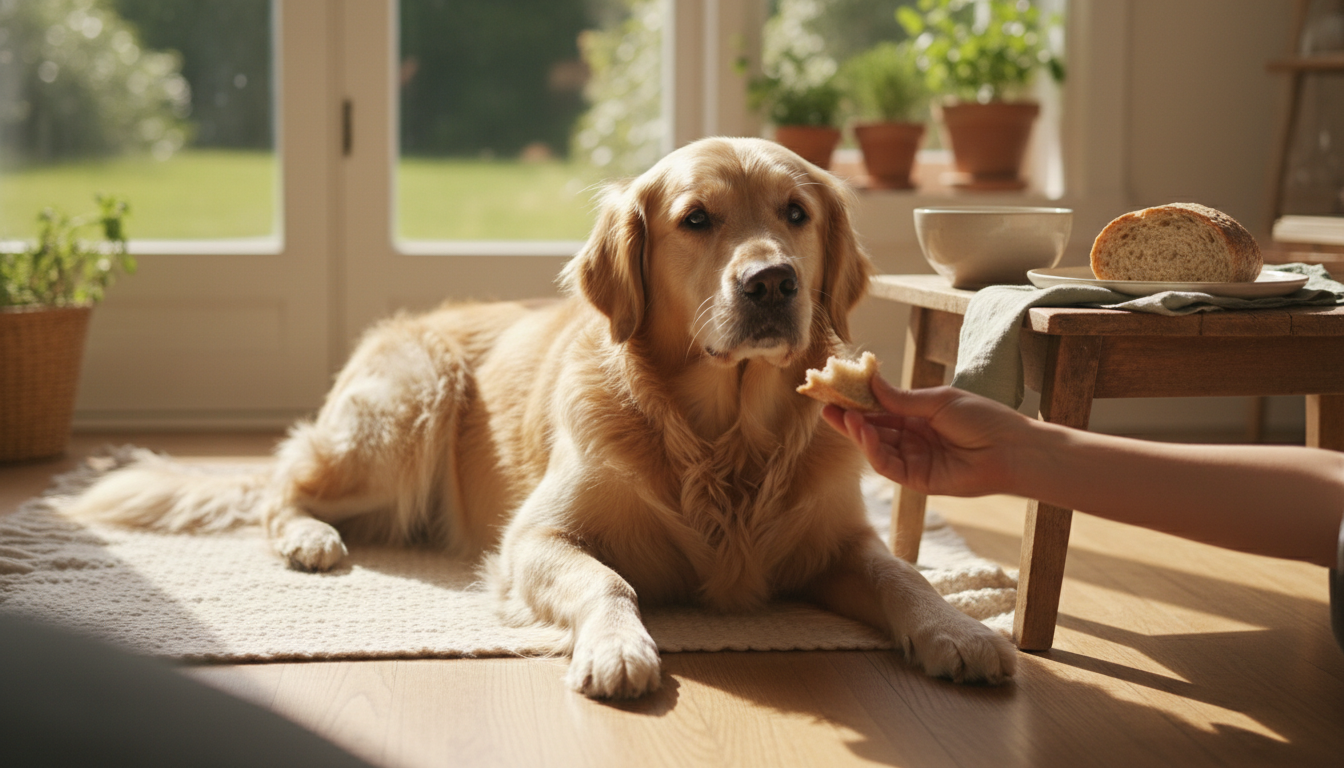
Can Dogs Eat Bread? Important Considerations to Know
Can dogs eat bread? Yes, in moderation. Learn the safe types and ingredients to avoid to keep your pet healthy.
Yes, dogs can eat bread in moderation, but there are important considerations to keep in mind. While plain bread isn't toxic to dogs, it's not particularly nutritious either. Think of it as an occasional treat rather than a staple of your dog's diet. Bread can be a source of extra calories that may lead to weight gain if not monitored.
Is Bread Safe for Dogs?
Bread is generally safe for dogs to eat, but it should only be given in small amounts. Most plain white and wheat bread is safe, but you should avoid bread with added ingredients like raisins, garlic, or onions, which are toxic to dogs. Also, be cautious of breads with seeds or nuts, as they can pose choking hazards or contain harmful substances.
Ingredients to Avoid
Watch out for certain ingredients that might be present in some bread varieties. Raisins, for example, are highly toxic to dogs and can cause kidney failure. Garlic and onions, whether raw or cooked, can damage a dog's red blood cells, leading to anemia. Additionally, some specialty breads contain xylitol, an artificial sweetener that is extremely toxic to dogs. Always check the ingredient list before sharing any bread with your pet.
Portion Control
Giving your dog a whole slice of bread might seem harmless, but bread is calorie-dense and can contribute to weight gain if given regularly. A small piece is enough as a treat. For larger breeds, a half-slice might be okay, while smaller dogs should only have a tiny piece. Overfeeding bread can lead to bloating, a serious condition that can be life-threatening in severe cases.
Nutritional Value of Bread for Dogs
Bread is primarily made up of carbohydrates, providing a quick source of energy. However, it lacks essential nutrients that dogs need. Unlike humans, who can eat bread as part of a balanced diet, dogs require a diet rich in proteins, fats, and specific vitamins and minerals. Bread should never replace a dog's regular food, which is formulated specifically to meet their nutritional needs.
Comparing Bread Types
White bread is the most common and least nutritious, made from refined grains that lose most of their fiber and nutrients during processing. Wheat bread is slightly better, as it contains more fiber and some vitamins. Whole grain breads are the best option if you must give bread to your dog, as they retain more nutrients and fiber. However, even whole grain bread should be given sparingly.
Potential Benefits
While bread doesn't offer many benefits, it can serve as a vehicle for administering medication. If your dog is reluctant to take pills, hiding the medication in a small piece of bread can make the process easier. Additionally, bread can help bind loose stool in a dog with mild diarrhea, but this should only be a temporary measure and not a substitute for veterinary care.
Risks Associated with Bread Consumption
Feeding bread to dogs isn't without risks. Besides the potential for weight gain, some dogs may have allergies or sensitivities to wheat or gluten. If your dog exhibits symptoms like itching, ear infections, or gastrointestinal upset after eating bread, they may have a food sensitivity.
Allergies and Sensitivities
Food allergies are not uncommon in dogs, and bread can be a trigger due to its wheat content. If you suspect your dog has a food allergy, consult your vet. They may recommend an elimination diet to pinpoint the cause. Remember, symptoms can vary from skin issues to digestive problems, so it's important to monitor your dog closely if they're new to eating bread.
The Danger of Dough
Never give your dog raw bread dough. The yeast in dough causes it to rise, and if ingested, it can expand in a dog's stomach, leading to serious complications. The fermentation process also produces alcohol, which is toxic to dogs even in small amounts. Always ensure any bread shared with your dog is fully baked.
Special Considerations for Puppies
Puppies have different dietary needs compared to adult dogs. While a small piece of bread might not harm an adult dog, puppies are more sensitive to dietary changes. Their developing digestive systems may not handle bread well, and the extra calories can impact their growth. Focus on specially formulated puppy food to ensure they get the nutrients they need.
Training and Treats
While bread can be used as an occasional treat during training, it's important not to overdo it. Puppies are particularly prone to weight fluctuations, and too many treats can lead to obesity. Opt for healthier alternatives like small pieces of cooked chicken or commercial dog treats designed for training.
Transitioning to Adult Diet
As your puppy grows, you'll transition them to adult dog food. This is a good time to reassess the treats you're offering. Bread shouldn't be a regular part of their diet, and it's crucial to maintain a balanced nutritional intake to support their development into healthy adults.
Alternatives to Bread for Dogs
If you're looking for healthier treat options for your dog, consider fruits and vegetables. Many dogs enjoy carrots, apples (without seeds), and blueberries. These options provide vitamins and fiber without the unnecessary calories found in bread. Always introduce new foods gradually and watch for any adverse reactions.
Commercial Dog Treats
There are countless dog treats available that are specifically formulated for canine health. Look for options with natural ingredients and avoid those with artificial preservatives or fillers. Some treats are even designed to promote dental health or provide joint support.
DIY Dog Treats
If you enjoy baking, try making your own dog treats at home. There are plenty of recipes available that use dog-safe ingredients like oats, peanut butter, and pumpkin. This way, you can control exactly what goes into your dog's treats and avoid any harmful additives.
Frequently Asked Questions
Can bread cause my dog to gain weight?
Yes, bread is calorie-dense and can contribute to weight gain if given in large amounts or too frequently. Always monitor your dog's weight and adjust their diet accordingly.
Is it safe to give my dog toast?
Plain toast is generally safe for dogs, but avoid adding butter, jam, or other toppings that could upset their stomach or contain harmful ingredients.
What should I do if my dog eats a lot of bread?
If your dog consumes a large amount of bread, they might experience bloating or an upset stomach. Monitor them for signs of distress and contact your vet if you notice any concerning symptoms.
Are there any breads that are particularly harmful?
Breads containing raisins, garlic, onions, or xylitol are particularly harmful and should be avoided. Always read labels carefully before giving bread to your dog.
Can bread help with my dog's diarrhea?
In some cases, bread may help firm up stool, but it's only a temporary solution. Persistent diarrhea should be evaluated by a vet to determine the underlying cause.
Key Takeaways
- Dogs can eat plain bread in moderation, but it's not nutritious.
- Avoid breads with raisins, garlic, onions, or xylitol, which are toxic to dogs.
- Bread is calorie-dense and can lead to weight gain if given too often.
- Puppies should have minimal bread due to their sensitive digestive systems.
- Consider healthier treats like fruits, vegetables, or commercial dog treats instead.
Sources
- ASPCA Animal Poison Control
- AKC - Dog Nutrition
- PetMD - Dog Nutrition
- VCA Animal Hospitals
- Merck Veterinary Manual
- Tufts Veterinary Nutrition
---
This article is for informational purposes only and is not a substitute for professional veterinary advice, diagnosis, or treatment. Always consult your veterinarian before making changes to your pet's diet or health routine. WellWhisker does not provide veterinary medical advice.
Try WellWhisker
Homemade treat recipes, ingredient scanner, and wellness tools, personalized for your pet.
Get Started