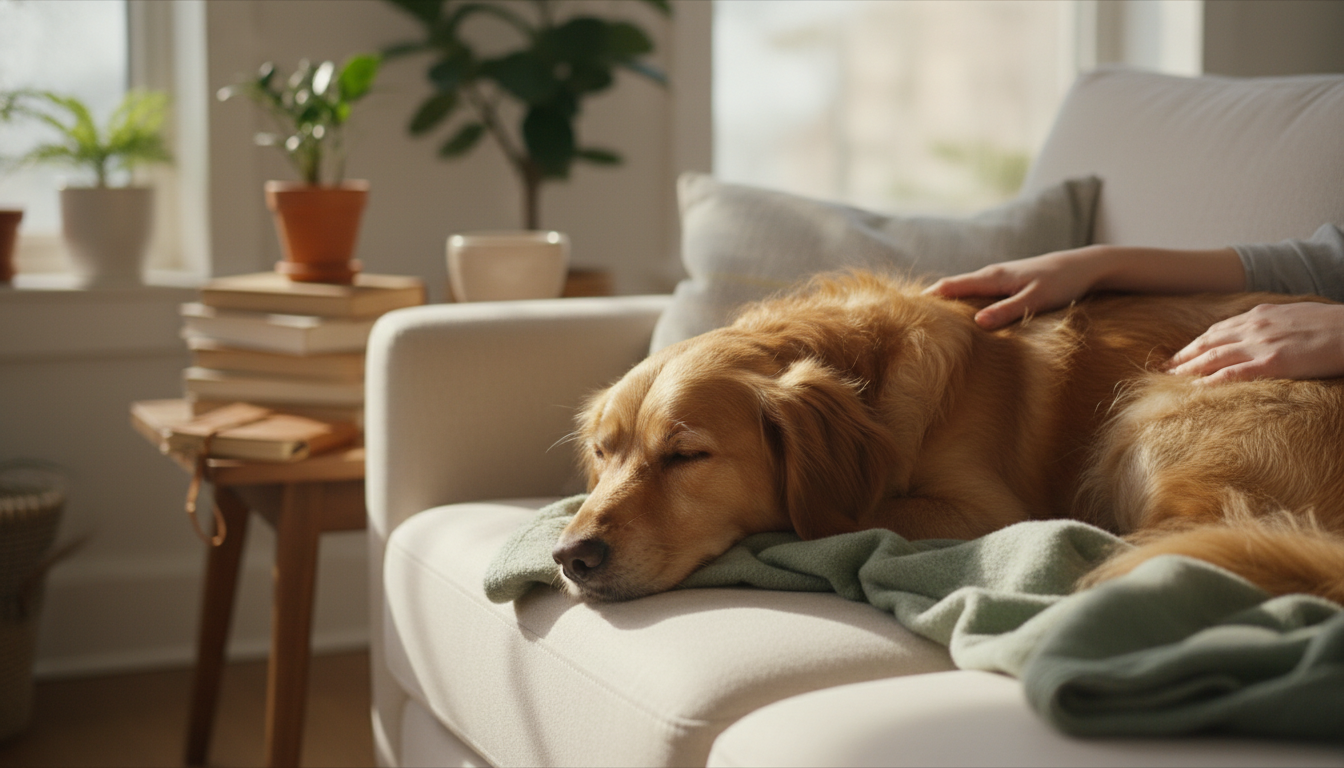
How to Manage Dog Separation Anxiety Effectively
Learn effective strategies to manage dog separation anxiety, ensuring a happier life for your pet. Discover causes, signs, and solutions.
Separation anxiety in dogs is a common issue that leaves both pets and their owners feeling distressed. It occurs when dogs become anxious or exhibit problematic behaviors when left alone. Fortunately, there are effective strategies to manage and reduce separation anxiety in dogs, ensuring a happier and healthier life for your furry friend. In this article, we'll explore the causes of separation anxiety, signs to look out for, and practical solutions to mitigate this issue.
Understanding Dog Separation Anxiety
Separation anxiety is a condition where a dog experiences extreme distress when separated from its owner or guardian. This anxiety can manifest in various behaviors such as excessive barking, destructive chewing, and even attempts to escape from the house. The root of this problem often lies in the dog's attachment to its human companion. Dogs are social animals, and some may struggle with being left alone.
One of the critical factors contributing to separation anxiety is a change in routine or environment. For example, a dog that’s recently been adopted or moved into a new home might develop anxiety. Similarly, if you've returned to work after a period of being home more often, your dog might react negatively to the sudden lack of company.
Recognizing the Signs of Separation Anxiety
Identifying the signs of separation anxiety is the first step toward managing it effectively. Common signs include:
- Vocalization: Excessive barking, whining, or howling when left alone.
- Destructive Behavior: Chewing furniture, digging, or scratching at doors and windows.
- House Soiling: Urinating or defecating indoors despite being house-trained.
- Pacing and Restlessness: Walking in repetitive patterns or being unable to settle.
- Escape Attempts: Trying to escape from the home, often resulting in injury.
These behaviors can vary in intensity, but they're typically observed soon after the owner leaves. If you notice any of these signs, it's essential to address them promptly.
Practical Tips to Manage Separation Anxiety
Gradual Desensitization
Gradual desensitization involves slowly accustoming your dog to being alone. Start by leaving your dog alone for short periods and gradually increase the duration as your dog becomes more comfortable. This method teaches your dog that being alone isn't something to fear.
Create a Safe Space
Designating a specific area of your home as a "safe space" can help reduce anxiety. This area should be comfortable, with your dog’s bed, toys, and water. A crate can also be useful if your dog is crate-trained, as it provides a den-like environment that can feel secure.
Provide Mental Stimulation
Keeping your dog's mind occupied can help mitigate anxiety. Use puzzle toys, treat-dispensing toys, or hide treats around the home for your dog to find. This not only keeps them busy but also provides positive mental engagement.
Exercise Before Departing
Physical activity is a fantastic way to calm a dog. A long walk or play session before you leave can help expend excess energy, making your dog more likely to relax in your absence.
Counterconditioning
Counterconditioning involves changing your dog's emotional response to being alone from negative to positive. Start by associating your departure with something enjoyable, like a special treat or toy that your dog only gets when you're away. Over time, this will help your dog associate your absence with something positive.
When to Seek Professional Help
If your dog's separation anxiety is severe or doesn't improve with basic interventions, it might be time to seek professional help. A certified dog trainer or a veterinary behaviorist can provide more personalized strategies. They may use behavior modification techniques or, in some cases, recommend medication to help manage your dog's anxiety.
Additionally, your vet can rule out any underlying medical issues that could be contributing to your dog's behavior. It's important not to overlook this step, as health problems can sometimes manifest as behavioral changes.
Frequently Asked Questions
What causes separation anxiety in dogs?
Separation anxiety often arises from changes in the dog's environment or routine, such as moving to a new home or a change in the owner's work schedule. It can also be more common in dogs that have experienced abandonment or have been rehomed multiple times.
Can toys help with separation anxiety?
Yes, toys, especially interactive ones, can provide mental stimulation and distract your dog from stress. Puzzle toys and treat dispensers are particularly effective.
How long does it take to treat separation anxiety?
The time it takes to treat separation anxiety varies depending on the dog's temperament and the severity of the anxiety. Some dogs may show improvement in a few weeks, while others may take several months.
Is medication necessary for treating separation anxiety?
Medication is not always necessary but can be helpful in severe cases. It's typically used in conjunction with behavior modification techniques and should be prescribed by a veterinarian.
Can separation anxiety be completely cured?
While some dogs may never fully overcome separation anxiety, many can learn to manage it effectively with the right strategies. Regular training and consistency are key to long-term improvement.
Key Takeaways
- Separation anxiety is a common issue that can be managed with patience and the right strategies.
- Recognize the signs of anxiety early to address them promptly.
- Gradual desensitization, creating a safe space, and providing mental stimulation can help.
- Exercise and counterconditioning are effective techniques to reduce anxiety.
- Professional help may be necessary for severe cases, and medication might be recommended.
Sources
Managing your dog's separation anxiety can be a challenging journey, but it's one that leads to a happier life for both you and your pet. For more tips on enhancing your dog's well-being, check out the WellWhisker app's Mood Check feature, which helps you understand your pet's emotional state through AI analysis of body language.
Try WellWhisker
Homemade treat recipes, ingredient scanner, and wellness tools, personalized for your pet.
Get Started