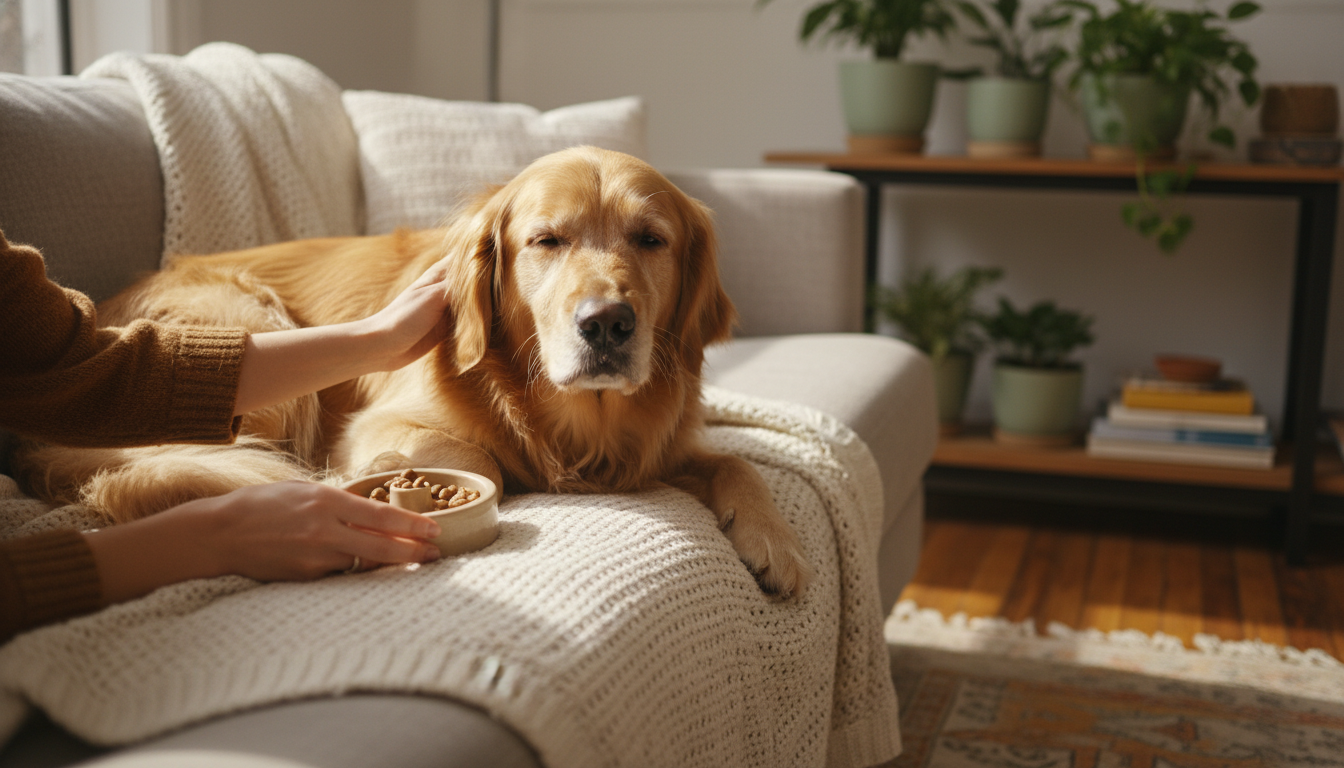
How to Improve Dog Mental Health Effectively
Learn how to improve dog mental health with effective strategies. Ensure your dog's happiness and well-being with mental stimulation and exercise.
Dogs, much like humans, can experience emotional and mental health challenges. Ensuring your dog's mental well-being is crucial for their overall happiness and health. Providing mental stimulation, social interaction, and a stable environment can significantly enhance your dog's mental health. With the right strategies, you can help your furry friend lead a more fulfilling life.
Understanding Dog Mental Health
Just like people, dogs have complex emotional lives. They can feel happiness, fear, anxiety, and even experience depression. Understanding these emotions is the first step in addressing mental health concerns. Many dog owners might not realize that their pet's behavioral issues are often linked to mental health. Signs of mental distress in dogs can include excessive barking, destructive behavior, or changes in eating and sleeping patterns.
Recognizing these signs early can help you intervene in a positive way. If your dog is showing symptoms of anxiety or depression, it's essential to consult with a veterinarian or a pet behaviorist to get professional advice tailored to your dog's needs.
The Role of Exercise in Mental Health
Exercise is one of the most effective ways to improve your dog's mental health. Regular physical activity helps reduce stress, anxiety, and behavioral issues. According to the American Kennel Club (AKC), dogs require at least 30 minutes to 2 hours of exercise daily, depending on their breed and age. This can include walks, runs, or playtime in the backyard. Exercise stimulates endorphins, which are chemicals in the brain that help improve mood and reduce stress.
For breeds that require more mental stimulation, consider incorporating activities like agility training or fetch. Not only does this provide physical exercise, but it also engages your dog's mind, keeping them sharp and happy. Remember to tailor the exercise regimen to your dog's specific needs, as over-exercising can lead to physical strain.
The Importance of Social Interaction
Socialization is a vital component of mental health for dogs. Regular interaction with other dogs and people can prevent behavioral issues and promote a well-rounded temperament. Dogs are naturally social creatures and thrive on companionship. Lack of social interaction can lead to anxiety and fear-based reactions.
Dog parks are excellent places for socialization. They offer your dog the opportunity to play and interact with other dogs, which can improve their social skills and boost their confidence. If dog parks aren't an option, consider arranging playdates with other dog owners. Socialization should begin at a young age, but it's never too late to start.
Enrichment and Mental Stimulation
Mental stimulation is as important as physical exercise. Dogs are intelligent animals that need challenges and activities to keep their minds engaged. Enrichment activities can range from puzzle toys to scent games. These activities encourage your dog to think and solve problems, which is crucial for mental development.
Consider using apps or resources that offer DIY enrichment recipes that you can try at home. These recipes provide progression systems that can keep your dog entertained and mentally stimulated. Start with simple puzzles and gradually increase the difficulty as your dog masters each level. This not only keeps them engaged but also builds their confidence and problem-solving skills.
Creating a Safe and Comfortable Environment
A secure and comfortable environment is essential for your dog's mental health. Dogs thrive in stable environments where they feel safe and loved. Changes in routine or environment can cause stress and anxiety. To create a comforting space, ensure your dog has a designated area where they can relax and retreat when needed.
This space should be away from loud noises and have their bed, toys, and water. Consistency is key, so try to maintain a regular schedule for feeding, walks, and playtime. If you're introducing changes to their routine or environment, do so gradually to give them time to adjust.
Monitoring Your Dog's Health
Regular health check-ups are crucial for identifying potential issues that might affect your dog's mental health. Many physical health problems can impact a dog's behavior, so ensuring they are healthy physically can alleviate mental distress. Consider using symptom tracking tools or apps to help you note changes in your dog's health, making it easier to communicate with your vet.
If you notice any sudden changes in behavior, appetite, or energy levels, consult with a veterinarian to determine if there is an underlying health issue.
Frequently Asked Questions
How do I know if my dog is experiencing anxiety?
Common signs of anxiety in dogs include excessive barking, pacing, panting, drooling, and destructive behavior. If you notice any of these symptoms, consult with a vet or a professional dog behaviorist.
Can diet affect my dog's mental health?
Yes, diet plays a significant role in your dog's overall health, including mental well-being. A balanced diet with the right nutrients can support brain function and reduce anxiety. Use available resources or apps to ensure your dog's food is of high quality.
How often should I exercise my dog to improve their mental health?
Exercise needs vary by breed, age, and health. Generally, dogs require at least 30 minutes to 2 hours of exercise daily. Consult with your vet to determine the ideal exercise routine for your dog.
What are some good enrichment activities for dogs?
Puzzle toys, scent games, and interactive toys are excellent for mental stimulation. You can also try training sessions, agility courses, and consider using resources for DIY enrichment recipes.
Is it possible to over-socialize a dog?
While socialization is crucial, overexposure to new environments or too many interactions can overwhelm some dogs, especially if they're shy or anxious. Pay attention to your dog's comfort levels and gradually increase social interactions.
Key Takeaways
- Dogs can experience emotions similar to humans, including anxiety and depression.
- Regular exercise is crucial for reducing stress and promoting mental health.
- Social interaction with other dogs and people is vital for a well-adjusted temperament.
- Mental stimulation through enrichment activities is necessary for a dog's mental development.
- Creating a safe, stable environment helps reduce stress and anxiety.
- Regular health monitoring can prevent and identify issues affecting mental health.
Sources
Enhancing your dog's mental health takes time and effort, but the benefits are well worth it. If you're looking for ways to support your furry friend's well-being, consider using available tools and resources. These can provide you with valuable tools to ensure your dog leads a happy and healthy life.
Try WellWhisker
Homemade treat recipes, ingredient scanner, and wellness tools, personalized for your pet.
Get Started