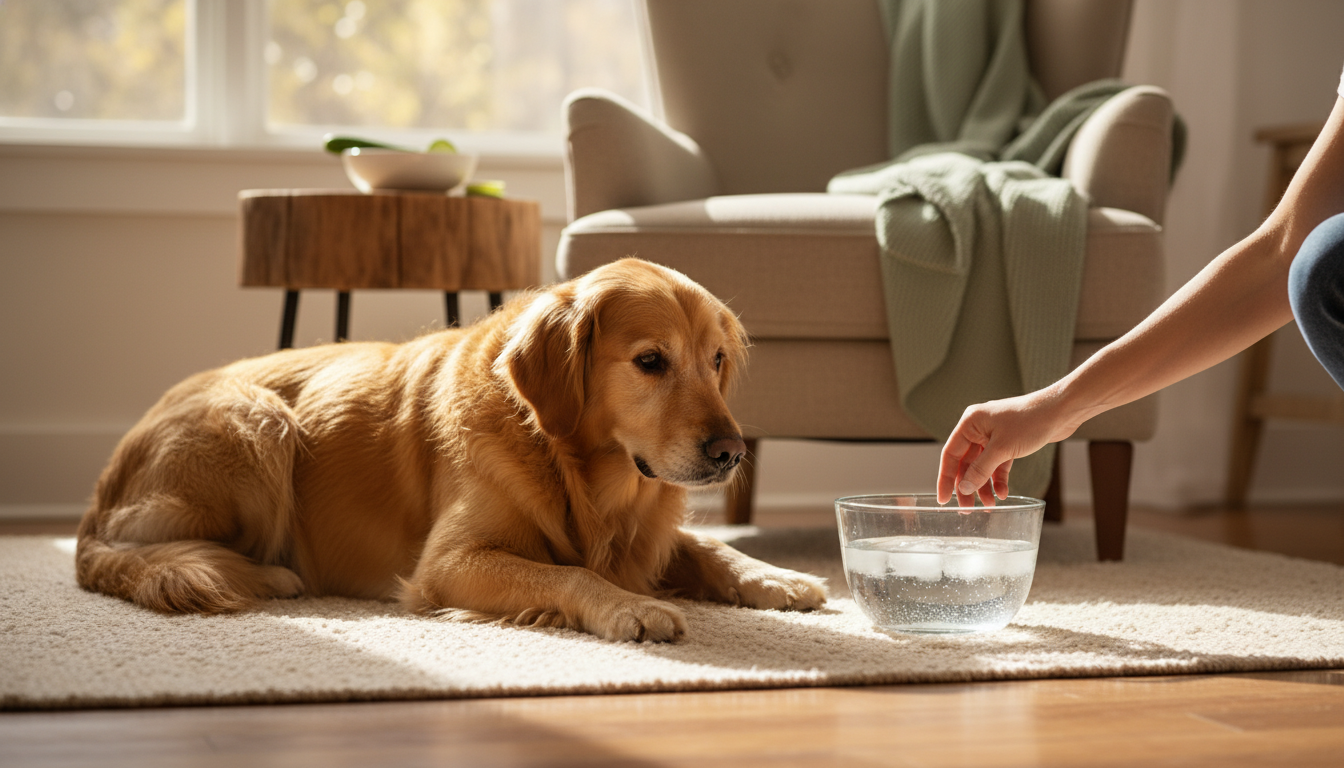
Importance of Dog Hydration for Health and Well-being
Dog hydration is crucial for health, aiding digestion and temperature regulation. Learn signs of dehydration and tips to keep dogs hydrated.
Ensuring your dog stays properly hydrated is crucial for their overall health and well-being. Just like humans, dogs rely on water for a multitude of bodily functions, from regulating temperature to aiding digestion. Without adequate hydration, dogs may become susceptible to health issues. Consult your veterinarian for concerns about urinary tract infections and kidney problems. This article will explore why hydration is vital for dogs, signs of dehydration, and practical tips to keep your furry friend hydrated.
Why Hydration is Crucial for Dogs
Water is indispensable for dogs, just as it is for humans. It supports numerous bodily functions, including digestion, nutrient absorption, and waste elimination. A dog's body is composed of approximately 60% water, and even a small decrease in that percentage can have serious health implications. Hydration helps maintain a stable body temperature, which is especially important for dogs since they have a limited ability to sweat.
Moreover, water acts as a lubricant for joints, helping your dog move comfortably. It also cushions internal organs and aids in the transportation of oxygen and nutrients to cells. Without adequate hydration, a dog's body can't function efficiently, leading to lethargy and a decrease in overall vitality. Maintaining proper hydration is key to preventing a range of health issues, making it a critical aspect of dog care. Consult your veterinarian for specific health concerns.
Signs of Dehydration in Dogs
Recognizing the signs of dehydration in dogs is essential for prompt intervention. Early detection can prevent serious health problems. Common signs include:
- Dry Nose and Gums: A dog's nose and gums should be moist. Dryness can indicate dehydration.
- Lethargy and Weakness: Dehydration often causes fatigue and a lack of energy.
- Loss of Skin Elasticity: Gently lift the skin at the back of your dog's neck. If it doesn't snap back quickly, your dog might be dehydrated.
- Sunken Eyes: Dehydrated dogs may have eyes that appear sunken.
- Increased Heart Rate: A rapid heartbeat can be a sign of dehydration.
If you notice any of these symptoms, offer your dog water and consult your veterinarian promptly. As per the Merck Veterinary Manual, dehydration can quickly escalate to a medical emergency, so vigilance is key.
How Much Water Does Your Dog Need?
The amount of water a dog requires can vary based on several factors like size, activity level, and diet. A general guideline is that dogs should drink about 1 ounce of water per pound of body weight daily. For example, a 50-pound dog should consume roughly 50 ounces of water each day. However, active dogs or those living in hot climates may need more.
Puppies and lactating dogs also have increased hydration needs. Puppies are more active and have a faster metabolism, which increases their water requirements. Similarly, lactating dogs lose water through milk production and need extra fluids to stay hydrated.
Remember that wet dog food contains water, which can contribute to their daily intake. Monitoring your dog's water consumption and adjusting based on their specific needs is crucial for optimal health.
Tips for Keeping Your Dog Hydrated
Ensuring your dog gets enough water is vital, but it can sometimes be challenging. Here are some practical tips:
- Regular Water Changes: Freshen your dog's water bowl daily to encourage drinking. Dirty or stale water can deter them from hydrating.
- Use Multiple Water Bowls: Place water bowls in different areas of your home, especially if you have a large living space. This makes it easier for your dog to access water.
- Flavor the Water: If your dog is reluctant to drink, try adding a bit of low-sodium chicken broth to make it more enticing. Consult your veterinarian before adding any flavorings.
- Monitor Water Intake: Pay attention to how much your dog is drinking. If you notice a decrease, investigate potential causes or consult a vet.
- Hydration on the Go: When traveling or during long walks, carry a portable water bottle for dogs. It ensures they stay hydrated even when you're away from home.
By incorporating these tips, you can help maintain your dog's hydration levels and support their overall health.
Factors Affecting Hydration
Several factors can influence a dog's hydration needs, including:
- Weather: Hot and humid conditions increase a dog's water needs as they pant more to cool down.
- Diet: Dogs on a dry food diet require more water than those on a wet food diet, as wet food contributes to their hydration.
- Activity Level: Highly active dogs burn more energy and sweat more, increasing their water requirements.
- Health Conditions: Certain health issues, like diabetes or kidney disease, can affect a dog's hydration status. Always consult a vet for tailored advice.
Understanding these factors can help you better manage your dog's hydration. Consult your veterinarian for advice tailored to your dog's needs.
Frequently Asked Questions
How can I tell if my dog is drinking enough water?
Monitoring your dog's daily water intake is key. Ensure they drink about 1 ounce of water per pound of body weight. Look for signs of dehydration, like dry gums or lethargy, and consult a vet if you're concerned.
Can dogs drink too much water?
Yes, excessive water consumption, known as polydipsia, can be a sign of underlying health issues like kidney disease or diabetes. If your dog drinks excessively, consult your veterinarian for an evaluation.
Is it safe to give my dog ice cubes?
Yes, ice cubes can help keep your dog cool and hydrated, especially in hot weather. Ensure they're small enough to prevent choking or dental damage, and consult your veterinarian if you have concerns.
Can I give my dog flavored water or sports drinks?
While plain water is best, consult your veterinarian before adding any flavorings like low-sodium chicken broth. Avoid sports drinks, as they contain high sugar levels and artificial ingredients that aren't suitable for dogs.
What should I do if my dog refuses to drink water?
If your dog consistently refuses water, consult a vet to rule out underlying health issues. In the meantime, try offering wet food, adding broth to water, or using a water fountain to entice them.
Key Takeaways
- Dogs need about 1 ounce of water per pound of body weight daily to stay properly hydrated.
- Dehydration signs include dry gums, lethargy, and loss of skin elasticity.
- Factors like weather, diet, and activity level influence a dog's hydration needs.
- Tips for hydration include regular water changes, multiple water bowls, and offering flavored water.
- Always consult a vet if you notice any significant changes in your dog's drinking habits.
Sources
Keeping your dog hydrated is one of the simplest yet most impactful ways to ensure their long-term health and happiness. By monitoring their water intake and being mindful of their needs, you're taking a proactive step in their wellness. For more insights into pet health, consider using WellWhisker's Food Scanner feature to ensure your dog's diet supports their hydration and overall well-being.
Try WellWhisker
Homemade treat recipes, ingredient scanner, and wellness tools, personalized for your pet.
Get Started