Dog Behavior Training Tips for Effective Results
Discover effective dog behavior training tips to help your pet develop healthy habits. Learn techniques like positive reinforcement for best results.
Training your dog’s behavior can be both rewarding and challenging. Whether you're dealing with a new puppy or a seasoned canine companion, understanding the nuances of dog behavior and using the right techniques can make all the difference. Let's dive into some practical tips and strategies to help you effectively train your dog and ensure they develop healthy behaviors.
Understanding Dog Behavior
Before you start any training, it's crucial to understand why dogs behave the way they do. Dogs are social creatures with instincts and emotions that drive their behavior. They communicate through body language, vocalizations, and actions. Recognizing these signals can help you address any issues and reinforce good behavior.
For instance, if your dog is barking excessively, it could be a sign of anxiety, boredom, or a response to environmental stimuli. Understanding the root cause of behaviors like barking, chewing, or digging can guide you in choosing the appropriate training technique. Many experts, like those at the Merck Veterinary Manual, suggest observing your dog’s behavior in different contexts to better understand their needs and motivations.
Positive Reinforcement Techniques
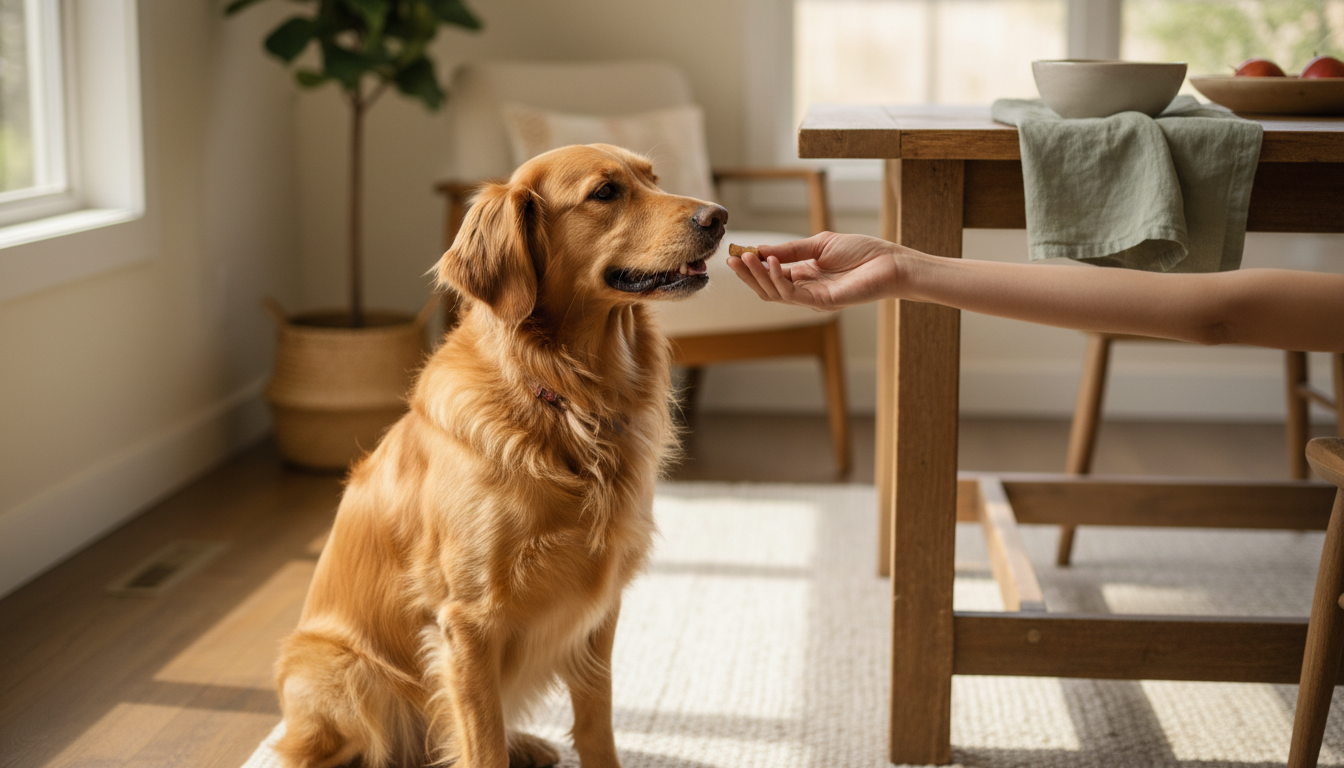
Positive reinforcement is one of the most effective methods for training dogs. This technique involves rewarding your dog when they perform a desired behavior, encouraging them to repeat it. Rewards can include treats, praise, or toys. The American Kennel Club (AKC) highlights that consistent positive reinforcement helps strengthen the bond between you and your dog.
Timing is crucial in positive reinforcement. Make sure to reward your dog immediately after they exhibit the behavior you want to reinforce. For example, if you're teaching your dog to sit, reward them the moment their bottom hits the floor. This immediate feedback helps them associate the behavior with the reward.
Setting Consistent Rules and Boundaries
Dogs thrive on routine and consistency. Setting clear rules and boundaries from the beginning helps your dog understand what is expected of them. Consistency in commands, routines, and consequences makes it easier for your dog to learn and adapt.
Use simple, clear commands and stick to them. If you use "sit" for sitting, don't switch to "sit down" or "take a seat." Consistency in language helps avoid confusion. Additionally, make sure all family members are on the same page with rules and commands to provide a united front for your dog.
Socialization: A Key Component
Socialization is a fundamental part of behavior training, especially for puppies. A well-socialized dog is less likely to develop behavioral issues like aggression or fear. Exposing your dog to different people, animals, environments, and experiences helps them become well-adjusted adults.
Start socialization early and make it a positive experience. Gradually introduce your dog to new situations, ensuring they're comfortable and not overwhelmed. The American Veterinary Medical Association (AVMA) suggests puppy classes as a great way to provide structured socialization opportunities in a controlled environment. [Ensure the correct AVMA source is cited for socialization advice.]
Dealing with Problem Behaviors
Even well-trained dogs can develop problem behaviors. It’s important to address these issues promptly and with patience. Common problem behaviors include jumping, chewing, and leash pulling.
For jumping, teach your dog to sit when greeting people. Ignore them when they jump and reward them when they sit calmly. Chewing is often a result of boredom or anxiety, so provide plenty of chew toys and ensure they get enough physical and mental stimulation. For leash pulling, stop walking when your dog pulls and resume only when the leash is slack, teaching them that pulling won’t get them where they want to go.
The Importance of Patience in Training
Training a dog is not an overnight process. It requires patience and persistence. Dogs learn at different paces, and it’s important to remain calm and composed. Getting frustrated can hinder your progress and confuse your dog.
Celebrate small victories and understand that setbacks are normal. If you’re struggling, consider seeking help from a professional dog trainer. They can provide personalized strategies and insights tailored to your dog's specific needs.
Frequently Asked Questions
How long should a training session last?
Training sessions should be short and focused, typically around 5-10 minutes. Dogs have short attention spans, and keeping sessions brief helps maintain their interest and enthusiasm.
Can older dogs be trained?
Absolutely! While puppies might learn faster, older dogs are perfectly capable of learning new behaviors. It might take a bit more time and patience, but with consistent training, older dogs can adapt well.
What if my dog doesn’t respond to treats?
Some dogs may not be food-motivated. In such cases, find what motivates your dog, whether it's a favorite toy, affection, or praise. Use whatever motivates them most as a reward during training.
Should I use punishment in training my dog?
Most experts recommend avoiding punishment as a primary training method. It can lead to fear and anxiety in dogs. Focus instead on positive reinforcement and redirecting unwanted behaviors.
How do I stop my dog from barking excessively?
Identify the cause of the barking first. Is it due to boredom, fear, or excitement? Addressing the root cause, providing sufficient exercise, and using commands like "quiet" with positive reinforcement can help manage barking.
Key Takeaways
- Understanding your dog’s behavior is crucial for effective training.
- Positive reinforcement is a powerful and humane training method.
- Consistency in rules and commands helps reinforce desired behaviors.
- Socialization is essential for a well-adjusted and confident dog.
- Address problem behaviors promptly and with patience.
- Training requires patience and persistence; celebrate small successes.
- Seek professional help if you're struggling with training.
Sources
For personalized recipes and insights into your pet's wellness, check out the WellWhisker app. With features like the Recipe Lab and Wellness Log, you can ensure your furry friend stays happy and healthy.
Try WellWhisker
Homemade treat recipes, ingredient scanner, and wellness tools, personalized for your pet.
Get Started