Canine Mindfulness: Calming Techniques for Dogs
Explore canine mindfulness with calming techniques to enhance your dog's mental well-being and strengthen your bond.
Dogs, like humans, can experience stress, anxiety, and restlessness. Canine mindfulness focuses on calming techniques that help your furry friend achieve relaxation and mental well-being. These techniques can include everything from simple breathing exercises to more structured activities like yoga and massage. By incorporating mindfulness into your dog's routine, you'll not only enhance their mental health, but also strengthen the bond you share with them.
Understanding Canine Stress and Anxiety
Dogs can experience stress and anxiety for various reasons, ranging from separation anxiety to loud noises like thunderstorms or fireworks. According to the Merck Veterinary Manual, stress-related behaviors in dogs can include excessive barking, destructive behavior, and even aggression. Recognizing these signs is the first step in addressing your dog's needs.
It's important to understand that not all stress is bad. Some level of stress can be beneficial, helping your dog stay alert and responsive. But chronic stress can lead to health issues. By identifying triggers, you can better tailor calming techniques to suit your dog's specific needs, enabling you to create a more peaceful environment for them.
Breathing Exercises for Dogs
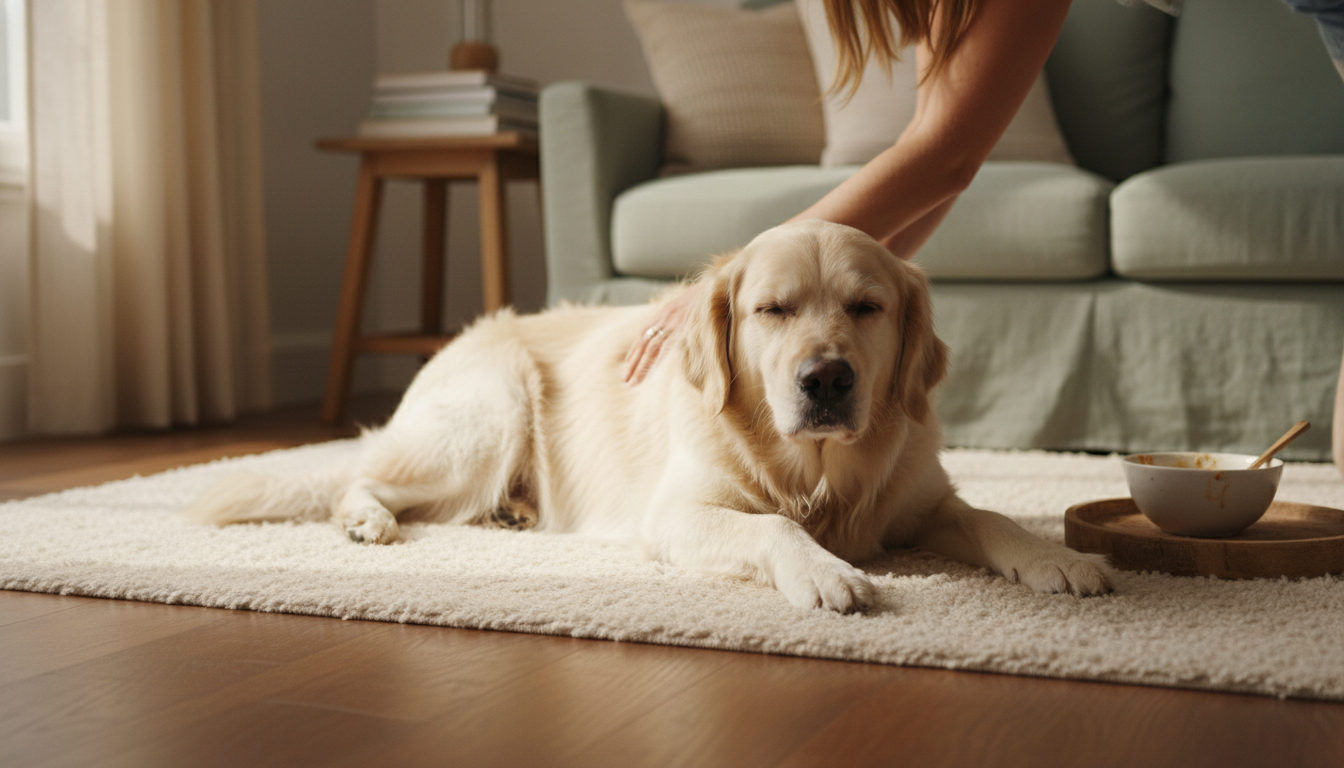
Breathing exercises are a simple yet effective way to calm your dog. While dogs can't consciously regulate their breathing like humans, you can encourage relaxation through gentle guidance. Start by finding a quiet, comfortable space for your dog. Sit with them and gently stroke their back, encouraging slow, deep breaths.
Many experts recommend speaking in a calm, soothing voice to help your dog mimic your relaxed breathing pattern. You can count slowly and softly to guide their breathing. Over time, your dog may learn to associate these cues with relaxation, helping them to calm down during stressful situations.
The Power of Touch: Canine Massage
Massage is another excellent way to promote relaxation in dogs. It can help reduce muscle tension, improve circulation, and release endorphins, which are natural mood elevators. Begin by gently petting your dog in areas they enjoy, like their back or behind their ears.
Once your dog is comfortable, try using circular motions with your fingertips, applying gentle pressure. Pay attention to your dog's body language, as some areas may be more sensitive than others. Regular massage sessions can help your dog feel more relaxed and reduce anxiety over time.
Enrichment and Mental Stimulation
Enrichment activities are a great way to engage your dog's mind and keep them calm. The WellWhisker Recipe Lab offers DIY enrichment recipes that you can easily incorporate into your dog's routine. These activities provide mental stimulation, which can help alleviate boredom and anxiety.
Puzzle toys, scent games, and training exercises are excellent examples of mental enrichment. By challenging your dog's mind, you're helping them focus on positive activities rather than stressors. This not only enriches their life but also strengthens your bond with them.
Yoga and Gentle Movement
Yoga isn't just for humans—dogs can benefit from it too! Incorporating gentle movement into your dog's routine can help them relax and release tension. The practice of 'Doga', or dog yoga, involves performing gentle stretches and poses with your dog.
Start with simple poses like the 'Downward Dog' and 'Puppy Pose', which are naturally occurring stretches for dogs. Encourage your dog to follow your lead, rewarding them with treats and praise. Many pet owners find that practicing yoga together enhances their pet's physical and mental well-being, providing a calming effect that lasts long after the session ends.
Music and Aromatherapy
Music and aromatherapy can also be powerful tools in promoting canine mindfulness. Studies show that classical music can have a calming effect on dogs, helping to reduce stress and anxiety. Create a calming playlist and play it during stressful times, such as when you're away from home or during thunderstorms.
Aromatherapy, using pet-safe essential oils like lavender, can complement music therapy. However, always consult with a veterinarian before using any essential oils, as some can be toxic to dogs. Ensure that any oils used are specifically formulated for pets, as some essential oils can be toxic to dogs. Consult with your veterinarian to confirm safety. A few drops on a cloth near their bed can create a soothing environment that promotes relaxation.
Frequently Asked Questions
How do I know if my dog is stressed?
Signs of stress in dogs can vary, but common indicators include excessive barking, pacing, panting, drooling, and destructive behavior. If you notice these behaviors, evaluate the environment and potential triggers to address their needs.
Can all dogs benefit from mindfulness techniques?
Yes, most dogs can benefit from mindfulness techniques. However, individual preferences vary, so it's essential to tailor activities to your dog's personality and needs. Consult with your veterinarian to ensure the techniques are suitable and safe for your pet.
Is aromatherapy safe for dogs?
Aromatherapy can be safe for dogs when using pet-specific essential oils. Avoid using oils intended for humans, as they may contain harmful ingredients. Always consult with a veterinarian before introducing aromatherapy into your dog's routine.
How often should I practice these techniques with my dog?
Incorporating mindfulness techniques into your dog's daily routine can be beneficial. Start with short, frequent sessions and gradually increase the duration as your dog becomes more comfortable. Consistency is key to achieving lasting results.
Can mindfulness techniques replace medication for anxiety?
While mindfulness techniques can significantly help reduce stress and anxiety, they may not replace medication for some dogs with severe anxiety. Consult with your veterinarian to determine the best course of action for your pet's specific needs, especially if considering changes to their treatment plan.
Key Takeaways
- Recognize signs of stress and anxiety in your dog to address their needs effectively.
- Breathing exercises and massage can help promote relaxation and reduce anxiety.
- Enrichment activities provide mental stimulation, alleviating boredom and stress.
- Doga involves gentle movement and stretching, enhancing physical and mental well-being.
- Music and aromatherapy can create a calming environment for your dog.
- Consult a veterinarian to tailor mindfulness techniques to your dog's needs.
Sources
- ASPCA Animal Poison Control
- AKC - Dog Nutrition
- PetMD - Dog Nutrition
- VCA Animal Hospitals
- Merck Veterinary Manual
For more insights on how to enhance your pet's well-being, explore the WellWhisker app. With features like Mood Check and Recipe Lab, you can ensure your furry friend leads a happy and healthy life.
Try WellWhisker
Homemade treat recipes, ingredient scanner, and wellness tools, personalized for your pet.
Get Started