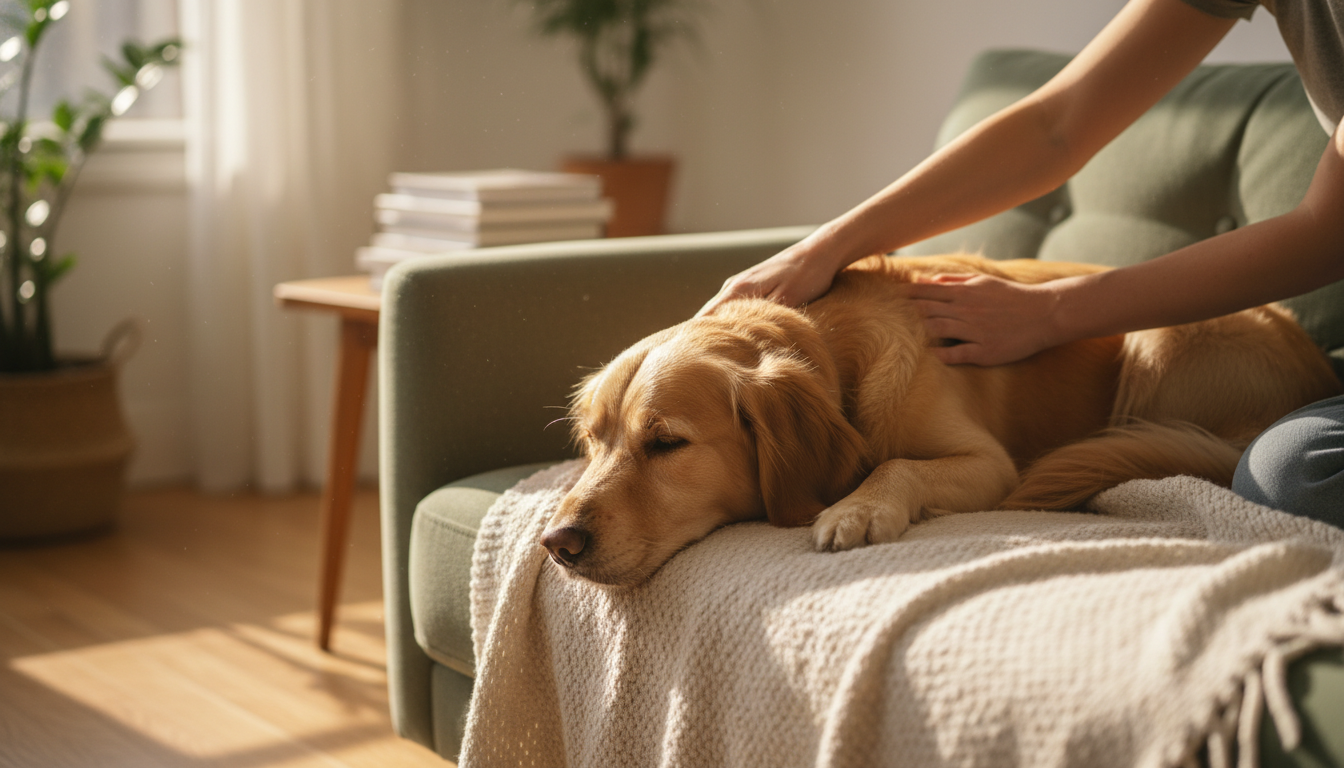
Benefits of Dog Massage Therapy for Your Pet's Health
Discover how dog massage therapy can enhance relaxation, reduce stress, and alleviate pain, improving your pet's quality of life.
Dog massage therapy isn't just a pampering session for your pup—it's a powerful wellness tool. Many dog parents are discovering that massage can improve their pet's quality of life by enhancing relaxation, reducing stress, and even alleviating pain. Let's explore the diverse benefits of dog massage therapy and how it can contribute to your furry friend's health and happiness.
Enhances Relaxation and Reduces Stress
One of the primary benefits of massage therapy for dogs is its ability to promote relaxation and reduce stress. Just like humans, dogs experience stress and anxiety, whether from environmental changes, travel, or separation anxiety. Massage helps by activating your dog's parasympathetic nervous system, which is responsible for promoting a calm and restful state.
During a massage, gentle strokes and kneading motions increase the production of serotonin, a neurotransmitter associated with feelings of wellbeing and happiness. This physiological response can help anxious or nervous dogs feel more at ease. Additionally, the physical sensation of touch can create a calming bond between you and your pet, strengthening trust and communication.
Alleviates Pain and Discomfort
For dogs suffering from arthritis or recovering from surgery, massage therapy can be an effective tool for pain management. By increasing circulation, massage helps deliver oxygen and nutrients to tissues and can speed up healing processes. This can be especially beneficial for senior dogs or breeds predisposed to joint issues.
Massage also aids in releasing tight muscles and breaking down adhesions or scar tissue, which might restrict your dog's range of motion. Many veterinarians suggest massage as a complementary therapy for conditions like hip dysplasia or after orthopedic surgeries. Always consult with your vet to ensure massage is appropriate for your dog's specific condition.
Improves Circulation and Lymphatic Flow
Regular massage sessions can significantly improve your dog's circulation and lymphatic flow. Better circulation means that vital nutrients and oxygen are efficiently transported throughout the body, enhancing overall vitality. Improved blood flow also helps with detoxification by enabling the lymphatic system to remove waste products more effectively.
For dogs with chronic conditions or those on medication, this detoxifying effect can be particularly helpful. By supporting the body's natural detox processes, massage contributes to maintaining a healthier internal environment, which can have positive effects on your dog's energy levels and immune function.
Supports Mobility and Flexibility
Massage therapy is a fantastic way to support your dog's mobility and flexibility. By keeping muscles supple and joints limber, regular massages can help prevent injuries and maintain a good range of motion. This is particularly important for active dogs or those participating in sports like agility or flyball, where physical demands are high.
For older dogs, massage can alleviate stiffness and encourage movement. It can also be paired with other physical therapies, such as hydrotherapy or acupuncture, to maximize benefits. The key is consistency—regular sessions are more effective than sporadic ones in maintaining mobility and flexibility.
Enhances Bonding and Communication
The act of massaging your dog goes beyond physical benefits; it’s a unique bonding experience that enhances your relationship. Spending quality time focused solely on your dog strengthens your bond and improves your ability to communicate non-verbally. Your dog learns to trust your touch and may become more attuned to your signals.
This increased level of trust can be particularly beneficial if your dog is nervous or has experienced trauma. Massage sessions provide an opportunity to observe your dog closely, helping you notice any changes in behavior or signs of discomfort that might require attention. Being in tune with your dog's body language and responses can make you a more empathetic and effective pet parent.
Frequently Asked Questions
What are the signs that my dog might benefit from massage therapy?
If your dog shows signs of anxiety, stress, joint stiffness, or pain, they may benefit from massage therapy. Additionally, if they're recovering from surgery or have a chronic condition like arthritis, massage can provide relief. Look for changes in behavior, mobility, or mood as potential indicators.
How often should I massage my dog?
The frequency of massages depends on your dog's specific needs. For general wellness, once a week might suffice. However, dogs with specific conditions or those in recovery may benefit from more frequent sessions, possibly 2-3 times a week. Consult with a veterinarian or professional dog massage therapist for tailored advice.
Can I perform dog massage at home, or should I hire a professional?
You can certainly perform basic massage techniques at home. Simple strokes like effleurage (long, gliding strokes) can be easily learned and are beneficial. However, for dogs with specific health issues, a professional massage therapist trained in canine anatomy and medical conditions is recommended.
Are there any risks associated with dog massage therapy?
When performed correctly, dog massage therapy is generally safe. However, improper techniques or excessive pressure can cause discomfort or injury. Always start gently and observe your dog's responses. Avoid massaging areas with open wounds or acute injuries. Consulting with a vet before starting massage therapy is always a good idea.
How do I find a qualified dog massage therapist?
Look for therapists who are certified by reputable organizations such as the International Association of Animal Massage and Bodywork. Reviews and recommendations from other dog owners or your veterinarian can also guide you to a qualified professional.
Key Takeaways
- Dog massage therapy promotes relaxation and reduces stress by increasing serotonin levels.
- It's effective for alleviating pain associated with arthritis, injuries, or post-surgery recovery.
- Regular massage improves circulation and lymphatic flow, aiding detoxification and immune function.
- Mobility and flexibility are supported through consistent massage, which prevents injuries and maintains joint health.
- Massage strengthens the bond between you and your dog, enhancing trust and communication.
Sources
Ready to enhance your dog's wellness routine with massage therapy? With WellWhisker's Recipe Lab, you can also create personalized treats to complement your dog's relaxation sessions. Download the app today and discover a holistic approach to your pet's well-being.
Try WellWhisker
Homemade treat recipes, ingredient scanner, and wellness tools, personalized for your pet.
Get Started